

Best Massage Chair for Executives
- بواسطة Admin

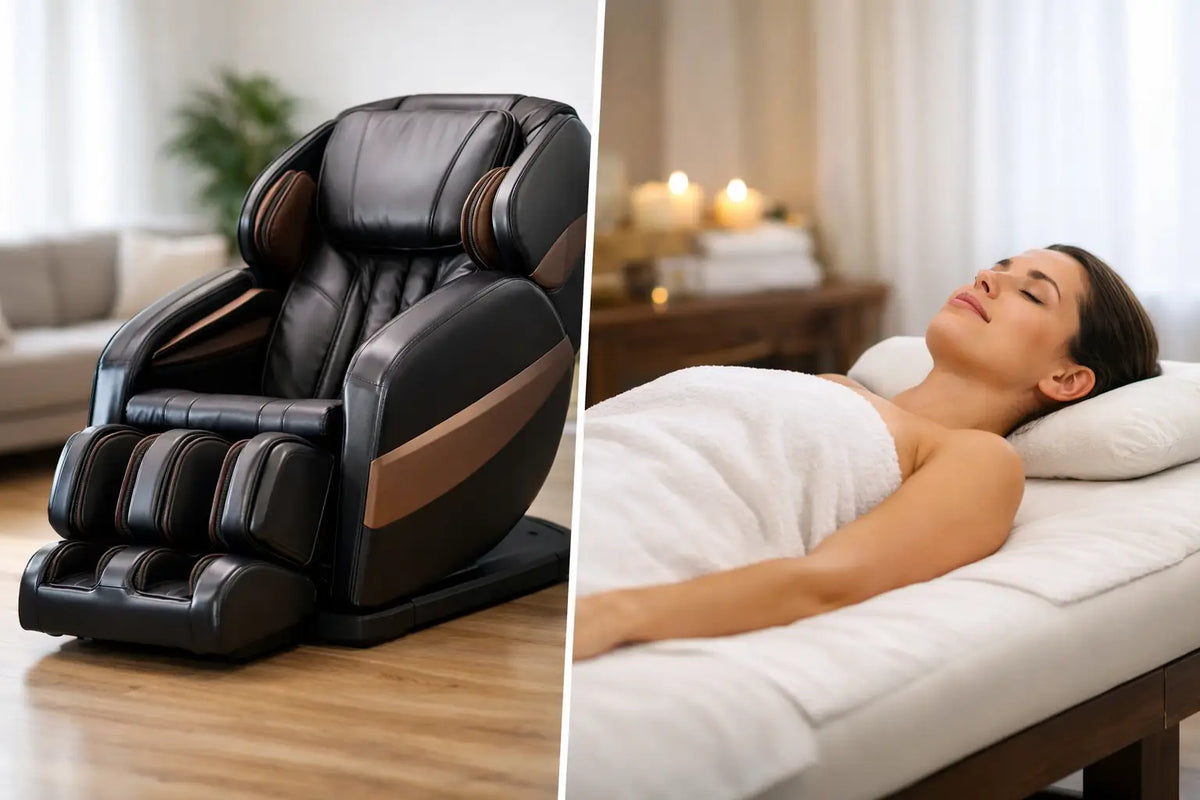
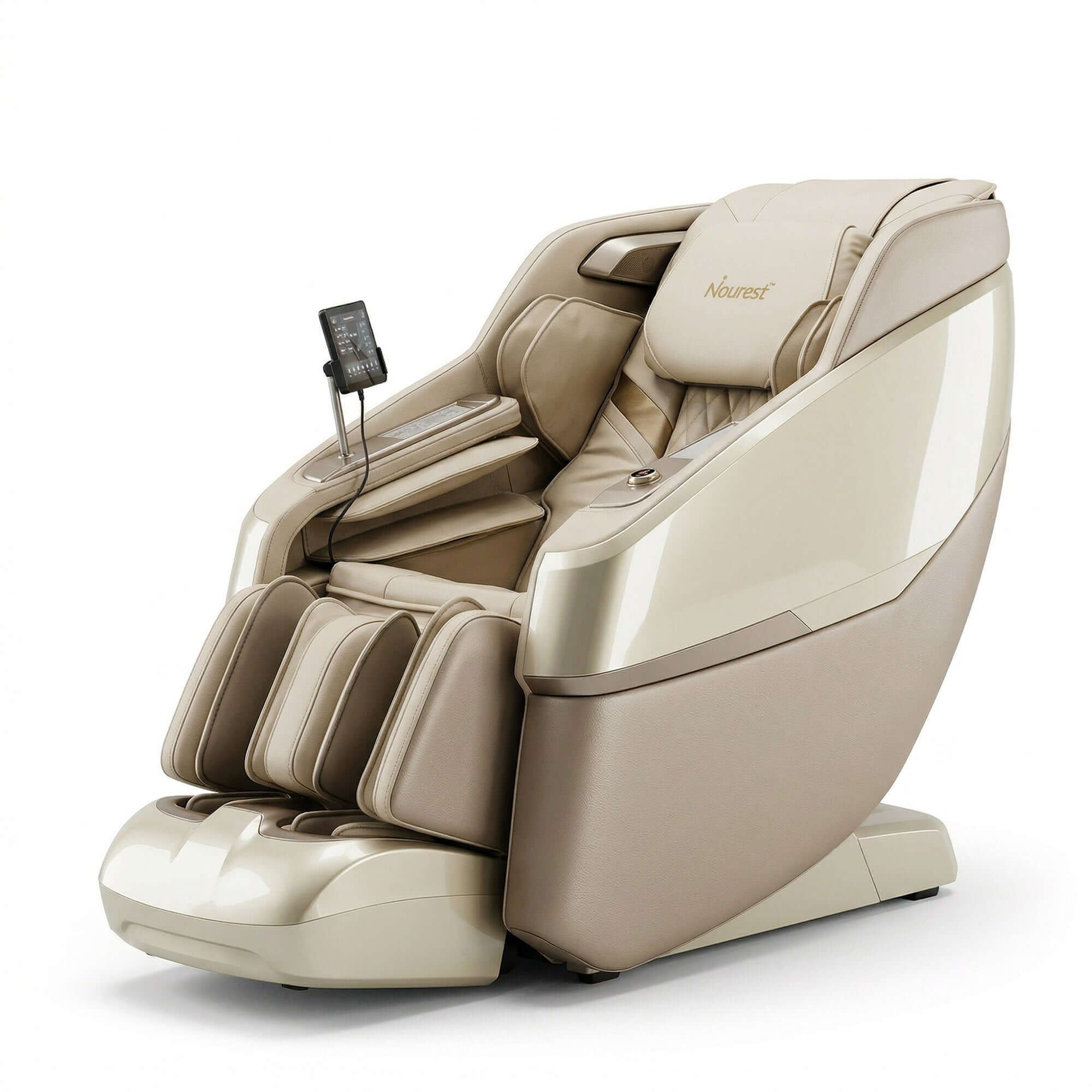
A long day of back-to-back calls can leave more than a full calendar. It settles into the neck, the lower back, the shoulders, and eventually the way you sit, stand, and focus. That is exactly why a massage chair for executives has become less of a luxury add-on and more of a practical decision for people who carry pressure all day.
For executives, the appeal is not just relaxation. It is recovery without appointments, privacy without compromise, and comfort that fits into a high-performance routine. The right chair can help ease muscular tension, support better posture, and create a reset point between meetings, travel, and late-night work.
Why a massage chair for executives makes sense
Senior professionals tend to deal with a very specific kind of physical fatigue. It is rarely one dramatic injury. More often, it is accumulated strain from long sitting hours, frequent flights, desk posture, stress-related muscle tightness, and inconsistent recovery habits. A standard recliner may feel pleasant for a few minutes, but it does not actively address those patterns.
A premium massage chair does. Advanced systems are designed to follow the shape of the spine, work across the shoulders and lower body, and apply targeted pressure where tension usually builds. For an executive who spends most of the day making decisions, that matters. Less stiffness can mean better concentration, fewer distractions, and a more comfortable end to the day.
There is also a lifestyle argument. Booking recurring therapy sessions takes time. So does driving to and from a wellness clinic. A massage chair brings that experience into the home office, bedroom, private lounge, or executive suite. The convenience is part of the value.
What executives should look for in a premium model
Not every massage chair fits the executive buyer. Some models prioritize a long feature list but miss the things that actually shape daily use. The better investment is a chair that performs well, looks refined, and feels intuitive from the first session.
Posture support and body scanning
Executives often sit for hours, which can flatten posture and tighten the lower back and hip area. Body-scanning technology helps the chair detect the user’s frame and align the massage to the shoulders, spine, and legs more accurately. That precision makes a visible difference. A chair that misses your pressure points will always feel generic, no matter how expensive it looks.
Models with SL-track systems tend to offer a more complete massage path, moving from the neck down through the lower back and into the glutes and hamstrings. For people dealing with desk-related tightness, this broader coverage is usually worth paying for.
3D or 4D massage depth
Massage intensity is not one-size-fits-all. Some executives want a softer recovery session after a stressful day. Others prefer deeper pressure that works more aggressively into knots around the shoulder blades and lumbar area. That is where 3D and 4D rollers come in.
A 4D chair gives more nuanced control over speed, rhythm, and depth, which creates a massage that feels less mechanical and more responsive. If the chair will be used often, this feature tends to hold its value. If the budget is tighter, a strong 3D model can still deliver impressive relief, especially when paired with a good track and air compression system.
Quiet operation and elegant design
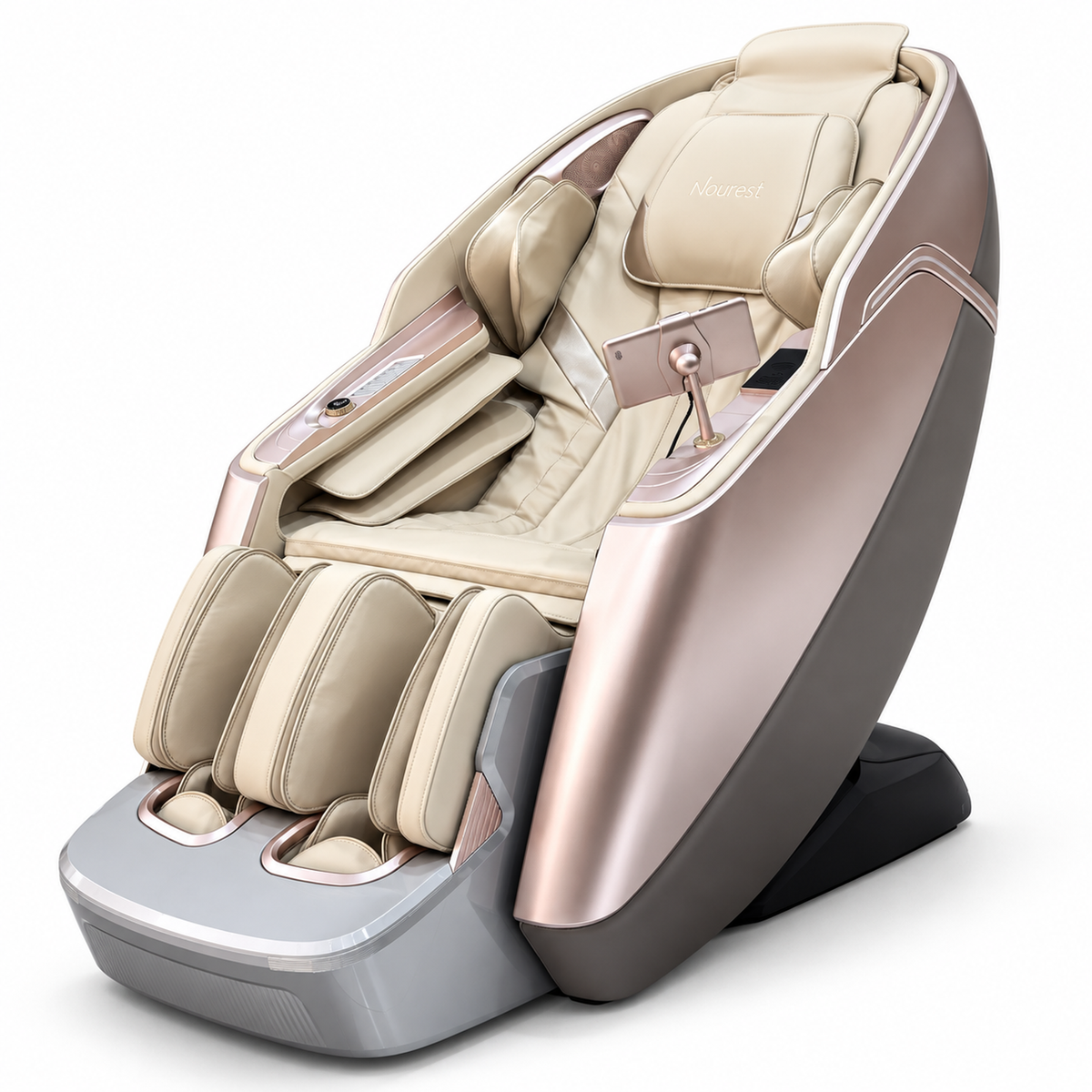
For executives, placement matters. The chair may sit in a home office, a formal living room, or a private corporate space. It cannot look bulky, loud, or out of place. Premium buyers usually want a model with a clean silhouette, quality upholstery, and colors that blend into a polished interior.
Noise matters just as much. A massage chair should feel calming, not mechanical. Quiet motors and smooth recline transitions make the experience feel more refined, especially when the chair is used between meetings or during evening wind-down time.
Foot, calf, and full-body compression
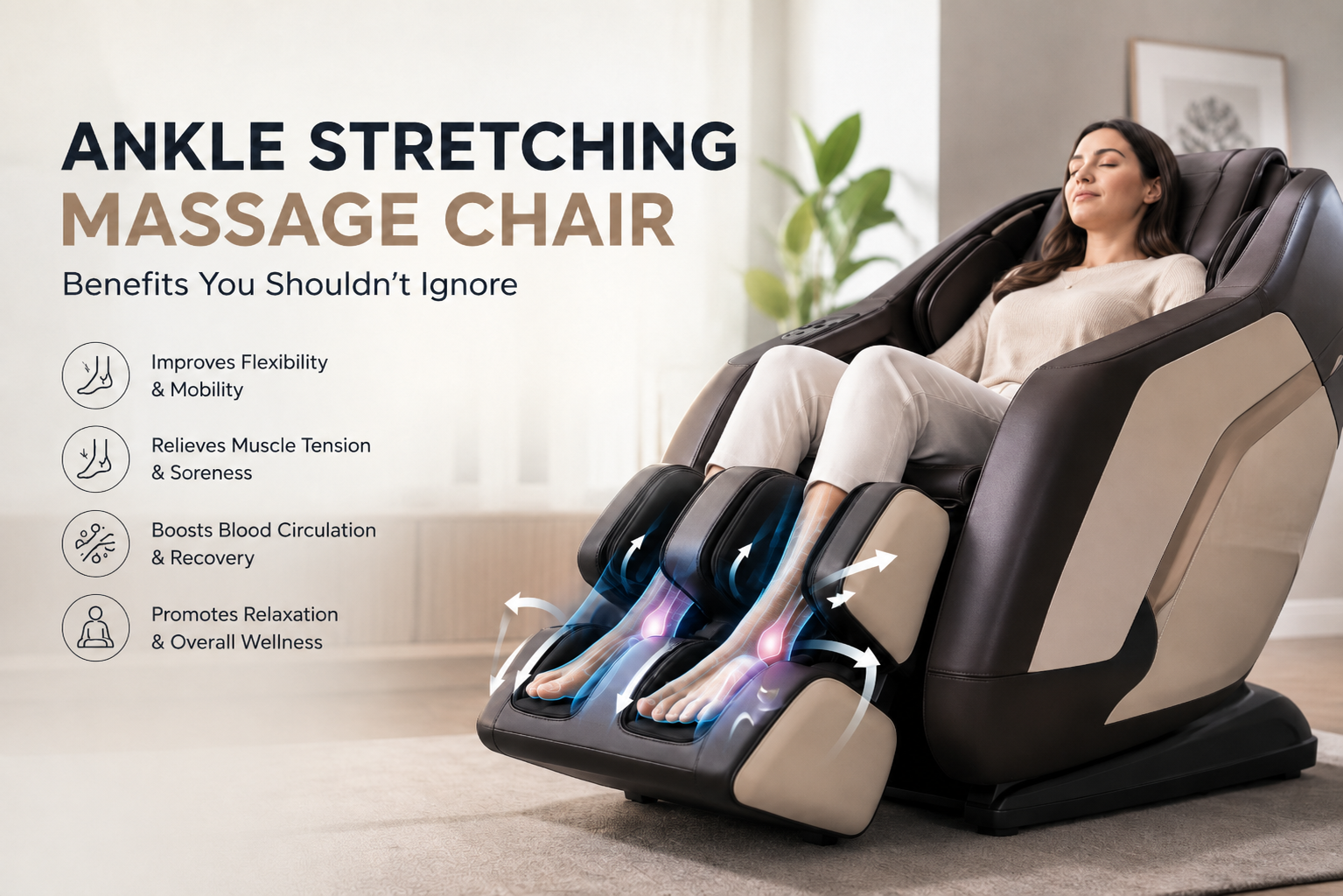
Executives who travel often or stay on their feet during events tend to underestimate how much fatigue builds in the lower body. Calf kneading, foot rollers, and air compression can improve the overall feeling of lightness after a long day. A chair that only treats the back may still be useful, but full-body coverage is what makes the experience feel complete.
This is especially true for buyers looking for daily recovery rather than occasional indulgence. When the lower body is included, the chair becomes more than a comfort piece. It becomes part of a real wellness routine.
Home office or corporate office?
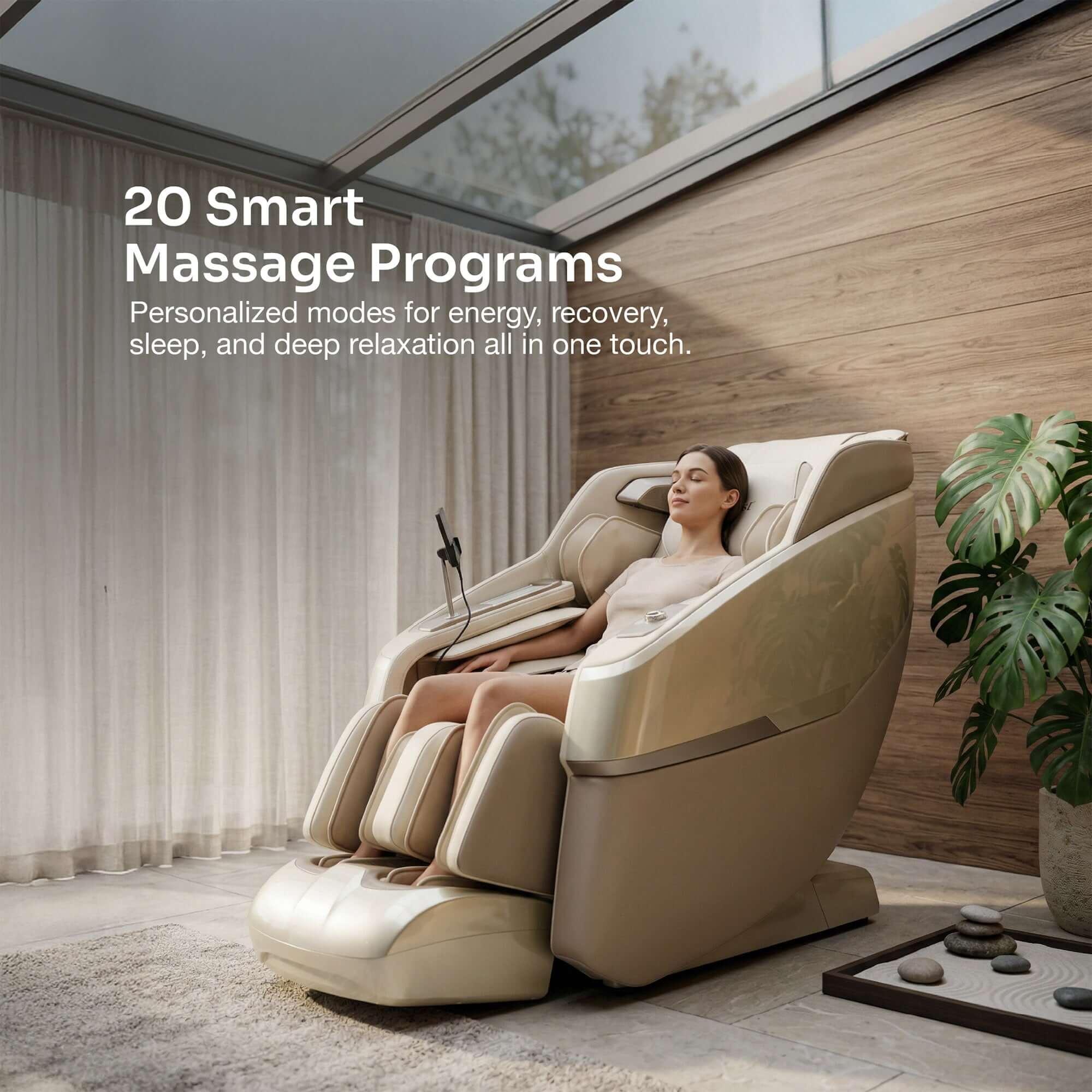
The best setup depends on how the chair will be used. For a home office, comfort and aesthetics usually lead the decision. The chair needs to fit naturally into a personal environment and be easy to access at the exact moment stress builds. A short session before work, during a midday break, or after dinner is often enough to make the purchase feel worthwhile.
In a corporate office, the priorities shift slightly. Space planning, privacy, and durability become more important. If the chair is for a private executive suite, a premium model with advanced customization makes sense. If it is intended for shared leadership spaces, ease of use and a broad range of automatic programs may matter more than highly personalized settings.
There is no universal answer here. A chair in the home will usually get more consistent use. A chair in the office may serve a stronger symbolic role as well, reinforcing a culture that values wellbeing and high-performance recovery.
The trade-off between price and long-term value
A massage chair for executives is a considered purchase, and the price range can vary significantly. That is why it helps to think beyond the initial number. The real question is how often it will be used and what it replaces.
A premium chair can offset repeated spending on short-term recovery solutions, from frequent massage appointments to lesser seating that needs replacement sooner. It can also offer something harder to quantify but easy to feel - reliable relief at the exact moment it is needed.
That said, expensive only makes sense when the quality is there. Buyers should pay attention to warranty coverage, installation support, after-sales service, and whether a trial experience is available. These details matter because massage chairs are not impulse items. They are long-term pieces of wellness furniture, and service quality should match the product itself.
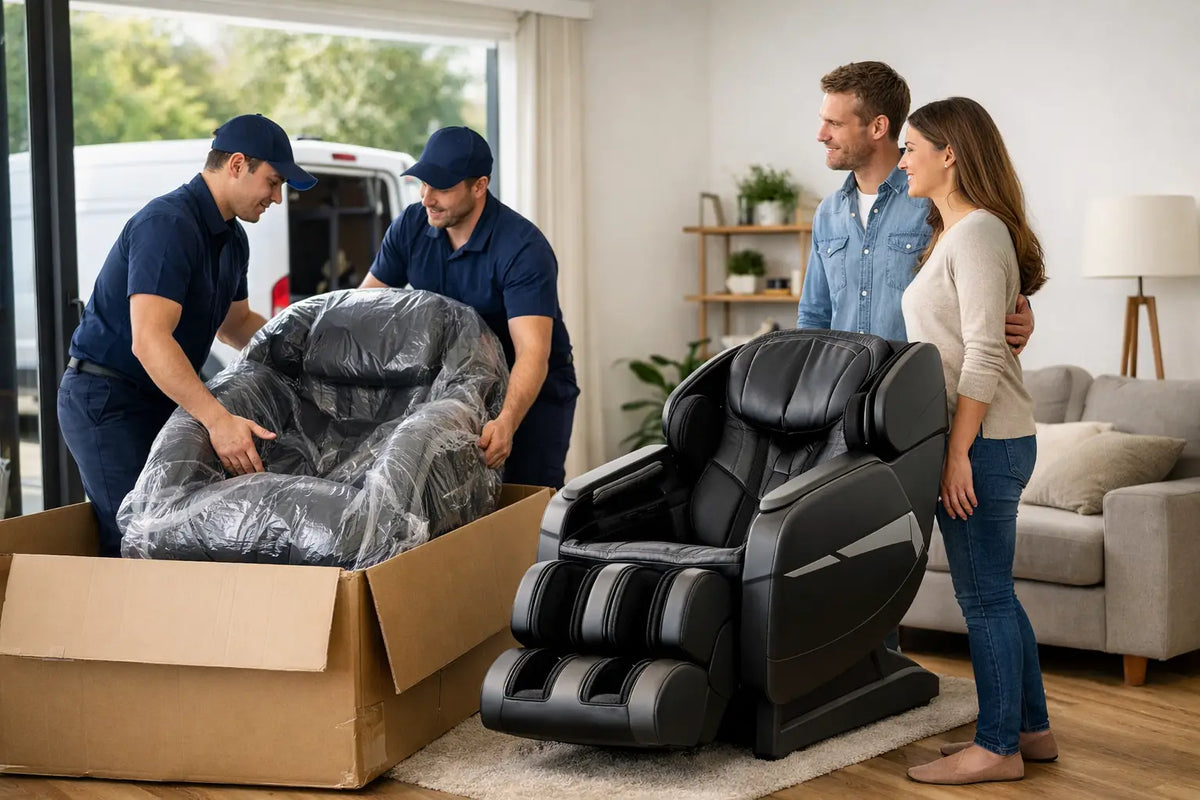
For many buyers, this is where a premium retailer stands apart. Nourest, for example, positions the experience around reassurance as much as luxury, with free home trials, delivery and installation support, financing flexibility, and long warranty coverage that makes a major purchase feel more secure.
Features that feel impressive versus features that matter
Some additions are genuinely useful. Voice control can be convenient when you are already reclined. Zero gravity positioning can reduce pressure through the spine and improve the feeling of weightlessness during a session. Heat therapy is often excellent for lower back stiffness.
Other features are more situational. App control sounds attractive, but many users end up relying on the built-in remote once they settle into a routine. Decorative lighting may look modern, but it is rarely a deciding factor in long-term satisfaction.
The best buying approach is simple. Prioritize the features that change how your body feels, not just how the chair reads on a spec sheet.
Who benefits most from an executive massage chair
The answer is broader than the title suggests. Founders, senior managers, physicians, consultants, attorneys, and remote leaders can all benefit from the same core advantages. The common thread is not job title. It is the combination of mental load, physical tension, and limited time.
This type of chair is especially useful for people who finish the day mentally exhausted but physically restless. They may not have time for a wellness appointment, but they still need a meaningful reset. A well-designed chair meets that need without adding friction to the schedule.
It also suits households where one premium product needs to serve more than one person. If the chair offers multiple intensity levels and accurate body scanning, it can adapt well to different users, which improves value over time.
How to choose without second-guessing
Start with the way you live, not just the way the chair looks. If deep tissue relief is the priority, focus on roller technology and track design. If the chair will sit in a formal space, pay closer attention to upholstery, scale, and quiet operation. If several people will use it, customization and ease of use should move higher on the list.
Whenever possible, test before buying. A short showroom session or home trial can reveal things specifications never will, like how the shoulder fit feels, whether the foot section suits your height, and how naturally the controls make sense. The right chair should feel like an immediate exhale, not a learning curve.
For executives, comfort is not a reward reserved for weekends. It is part of staying sharp, present, and physically supported through demanding days. The right massage chair does more than decorate a room. It creates a place where pressure leaves the body and focus has a chance to return.