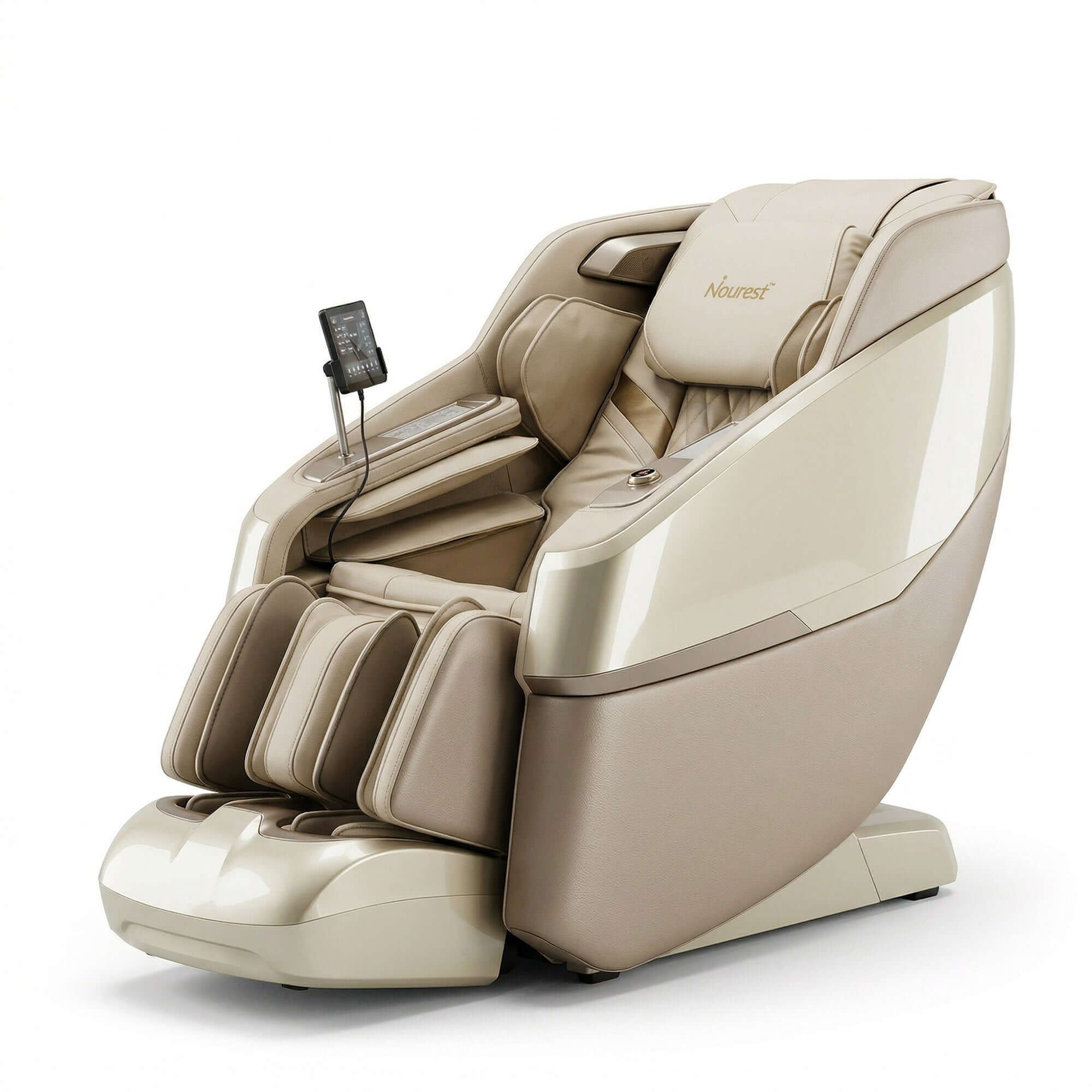
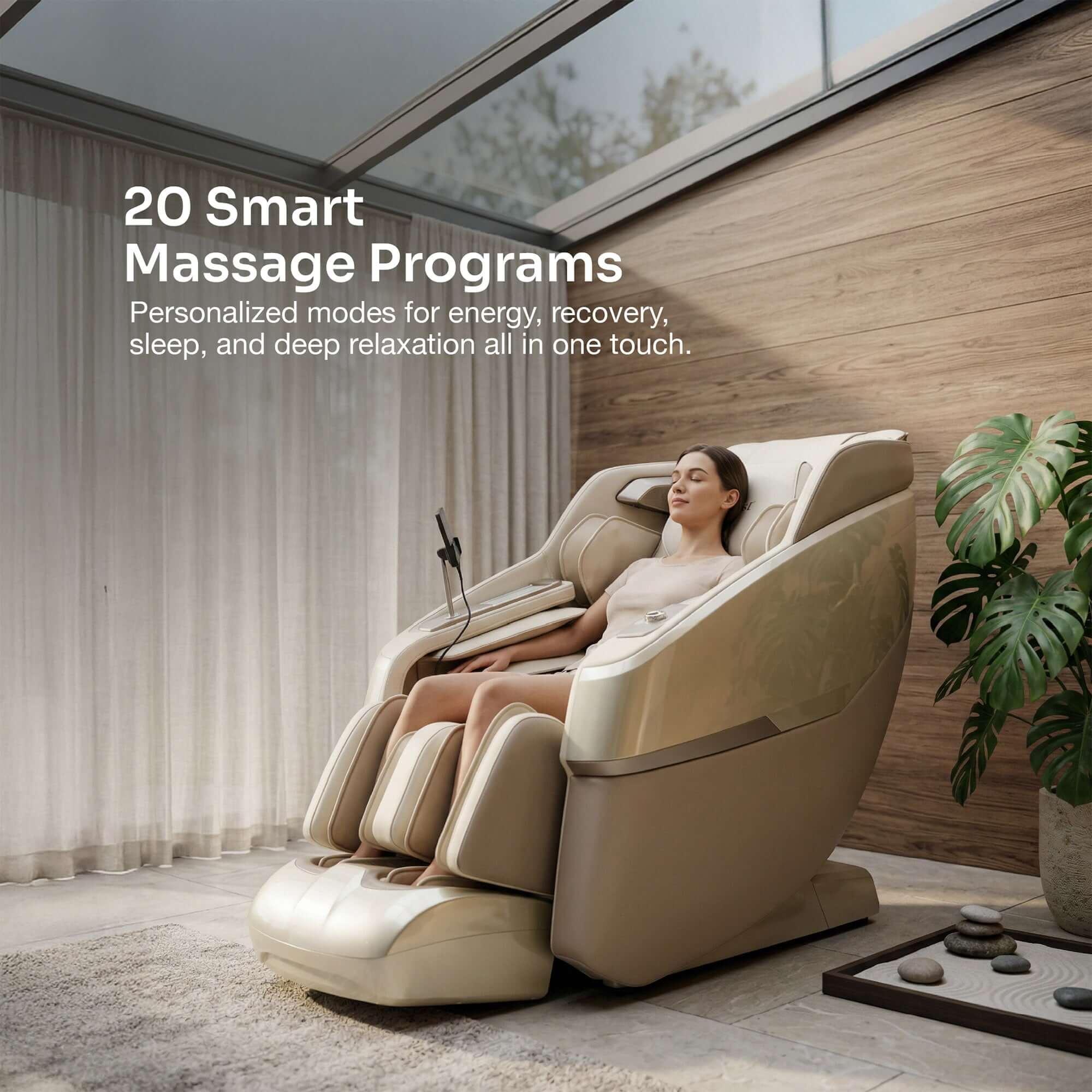


Are Massage Chairs Safe Daily Use?
- by Admin

That second or third session of the day is usually when the question becomes real: are massage chairs safe daily use, or can too much of a good thing start working against your body? For most healthy adults, daily use can be safe and genuinely beneficial. But the safest answer is not simply yes. It depends on session length, massage intensity, your health history, and whether the chair is helping your body recover or pushing already sensitive muscles too far.
A premium massage chair can feel wonderfully restorative after long desk hours, travel fatigue, workouts, or the steady strain of modern posture. It can also be easy to overuse, especially when relief feels immediate. Daily massage is often less about frequency alone and more about how intelligently the chair is used.
Are massage chairs safe daily for most people?
In many cases, yes. Daily massage chair use is considered safe for adults who are generally healthy and who use reasonable settings. A short, well-calibrated session can support circulation, ease muscle tension, reduce stiffness, and create a calmer transition between work and rest. Many people find that 15 to 20 minutes once a day is enough to feel a noticeable difference without leaving the body feeling overstimulated.
The reason moderation matters is simple. Massage chairs apply mechanical pressure through rollers, airbags, stretching functions, and in some models, heat and deeper body scanning programs. That can be excellent for recovery, but your muscles and connective tissues still need time to respond. More intensity does not always mean more benefit.
If your back feels looser, your shoulders drop, and you stand up feeling refreshed, that is usually a good sign. If you finish a session feeling sore in a sharp, lingering, or unusual way, your settings, duration, or frequency may need adjusting.
What makes daily use safe or unsafe?
The biggest factor is intensity. A gentle full-body session every evening is very different from using a deep-tissue program twice a day at maximum pressure. High intensity can be helpful for some users, especially those who prefer a stronger massage, but daily aggressive sessions can irritate sensitive muscles or leave bruising in people who are prone to it.
Session length matters just as much. Most people do well with 10 to 20 minutes at a time. Some can comfortably use a chair longer, particularly on lighter settings, but extended sessions are not always better. Once muscles are relaxed, extra time may add little value.
Your body condition also shapes the answer. Someone managing occasional desk-related tightness may tolerate daily massage beautifully. Someone with osteoporosis, recent surgery, spinal issues, nerve pain, blood clot risk, severe inflammation, or pregnancy should be more cautious and should consult a qualified clinician before making massage chair use a daily habit.
Chair quality matters too. A well-designed chair with body scanning, adjustable intensity, and a more precise track system tends to offer a safer, more tailored experience than a one-size-fits-all machine that applies pressure in the wrong places. Better technology does not replace common sense, but it can make daily use feel more natural and supportive.
When daily massage chairs can be especially helpful
Daily use often makes the most sense when your body deals with repeated, low-grade stress. Think of the executive who spends ten hours at a laptop, the frequent traveler whose lower back tightens after flights, or the homeowner who wants a reliable recovery ritual after training. In those situations, consistency can be more effective than occasional long sessions.
A daily session may help reduce the buildup of tension before it turns into discomfort. It can also become part of a broader wellness routine that includes hydration, mobility work, walking, better posture, and proper sleep. A massage chair should not carry the entire burden of recovery, but it can become a beautifully practical part of it.
This is where luxury and function meet in a meaningful way. The best massage chair experience is not just about relief in the moment. It is about making restoration available at home, on your schedule, in a way that feels effortless enough to maintain.
Signs you may be using your massage chair too much
The body is usually quite clear when something is not right. If you notice tenderness that lasts beyond the session, skin sensitivity, headaches after use, or a feeling of being physically drained rather than restored, it may be time to reduce intensity or frequency.
Another clue is psychological overreliance. If the chair feels necessary to get through basic daily comfort, that may point to a larger issue such as poor ergonomics, lack of movement, a training imbalance, or an untreated pain condition. Massage chairs are excellent support tools, but they work best when they complement healthy habits rather than replace them.
Using the chair on areas of acute injury is also unwise unless a healthcare professional has advised otherwise. Fresh strains, swelling, and sharp pain usually call for a more careful approach than a standard massage program can provide.
How to use a massage chair safely every day
The safest daily routine usually begins with less than you think you need. Start with 10 to 15 minutes on a moderate setting and pay attention to how your body feels later that day and the next morning. If you consistently feel better, you can stay there or make small adjustments.
It helps to vary programs rather than repeating the most intense option each time. One day you may want a full-body relaxation session. Another day may call for targeted shoulders or lower back. If your chair includes stretching, heat, or foot massage, use those features thoughtfully instead of stacking everything at maximum power.
Hydration is also worth mentioning. Massage does not "flush toxins" in the way marketing sometimes suggests, but people often feel better when they drink water after a session, especially if the massage was strong and they were already dehydrated from travel, exercise, or long work hours.
If multiple family members use the same chair, personalized settings become even more valuable. What feels ideal for one person may feel too forceful for another. Adjustable intensity, body scanning, and memory functions help make daily use safer and more comfortable across different body types and preferences.
Are massage chairs safe daily if you have back pain?
Sometimes yes, sometimes no. That is the honest answer. If your back pain comes from muscular tightness, prolonged sitting, or general stiffness, a massage chair may provide consistent relief and help you move more comfortably. Many users with mild to moderate tension-related discomfort find daily use helpful when sessions are controlled and not overly aggressive.
But if the pain is caused by a herniated disc, spinal instability, sciatica, fractures, severe arthritis, or a condition that has not been properly assessed, daily massage chair use may be inappropriate or may need professional guidance. Pain that shoots, tingles, burns, or radiates down the leg deserves more care than a standard wellness routine can offer.
A high-end chair with refined adjustability can make a difference here. The ability to tailor roller depth, recline angle, and massage zone matters far more than simply choosing the chair with the strongest pressure.
Who should talk to a doctor first?
Anyone with a significant medical condition should get clearance before using a massage chair daily. That includes people with heart conditions, pacemakers, blood thinners, clotting disorders, severe osteoporosis, recent implants, recent surgery, uncontrolled diabetes with neuropathy, or complicated pregnancy concerns.
This is not meant to sound alarmist. It is simply the responsible approach. Wellness technology should feel reassuring, not risky. If you are ever unsure, a quick conversation with your physician is the best way to turn uncertainty into confidence.
The better question is not just "is it safe"
The better question is whether your daily massage chair routine is appropriate for your body, your goals, and your lifestyle. Safety is the baseline. The real value comes when the chair is helping you recover better, sit with less tension, sleep more comfortably, and feel more at ease in your own home.
For many people, that is exactly what daily use can offer when the chair is thoughtfully designed and properly adjusted. A premium massage chair is not just a dramatic piece of wellness equipment. At its best, it becomes part of a calmer, more comfortable way of living.
If you use it with restraint, pay attention to your body's response, and respect any medical limitations, daily sessions can be both safe and deeply worthwhile. The smartest wellness habits are often the ones you can enjoy consistently, without forcing your body to ask for a day off.