

How to Style Wellness Corner at Home
- by Admin

A wellness corner should never feel like an afterthought squeezed between a side table and a charging cable. If you are wondering how to style wellness corner spaces in a way that feels elevated, calming, and genuinely useful, the answer starts with intention. The best ones are not crowded with trendy extras. They are designed to support real recovery, daily comfort, and a home that feels beautifully put together.
For many people, that means creating a place to decompress after long workdays, relieve back tension, soothe tired feet, or simply step out of the noise for twenty quiet minutes. A well-styled wellness corner can do all of that, but only if it balances visual calm with function.
Start with the purpose, not the decor
Before choosing colors, lighting, or furniture, decide what your wellness corner is meant to do. This is where many stylish spaces fall short. They look appealing in photos, but they do very little for the body.
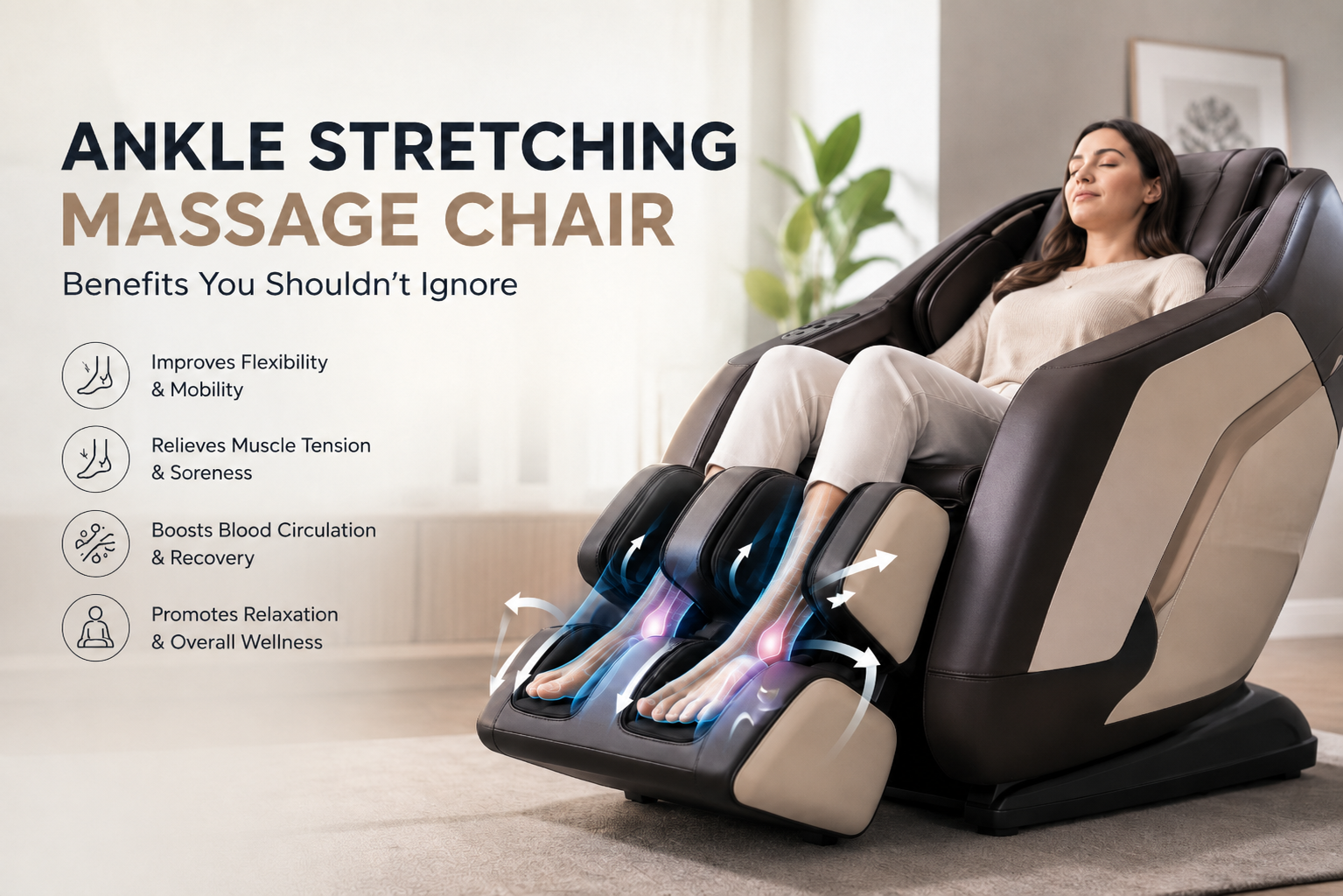
A recovery-focused corner for an executive who spends hours at a desk will look different from one designed for a family member with leg fatigue or recurring neck tension. Some people need a compact foot massager tucked into a reading nook. Others want a dedicated massage chair that becomes the anchor of the room. If the corner is meant to support posture, pain relief, and nervous system recovery, the styling should serve that goal rather than distract from it.
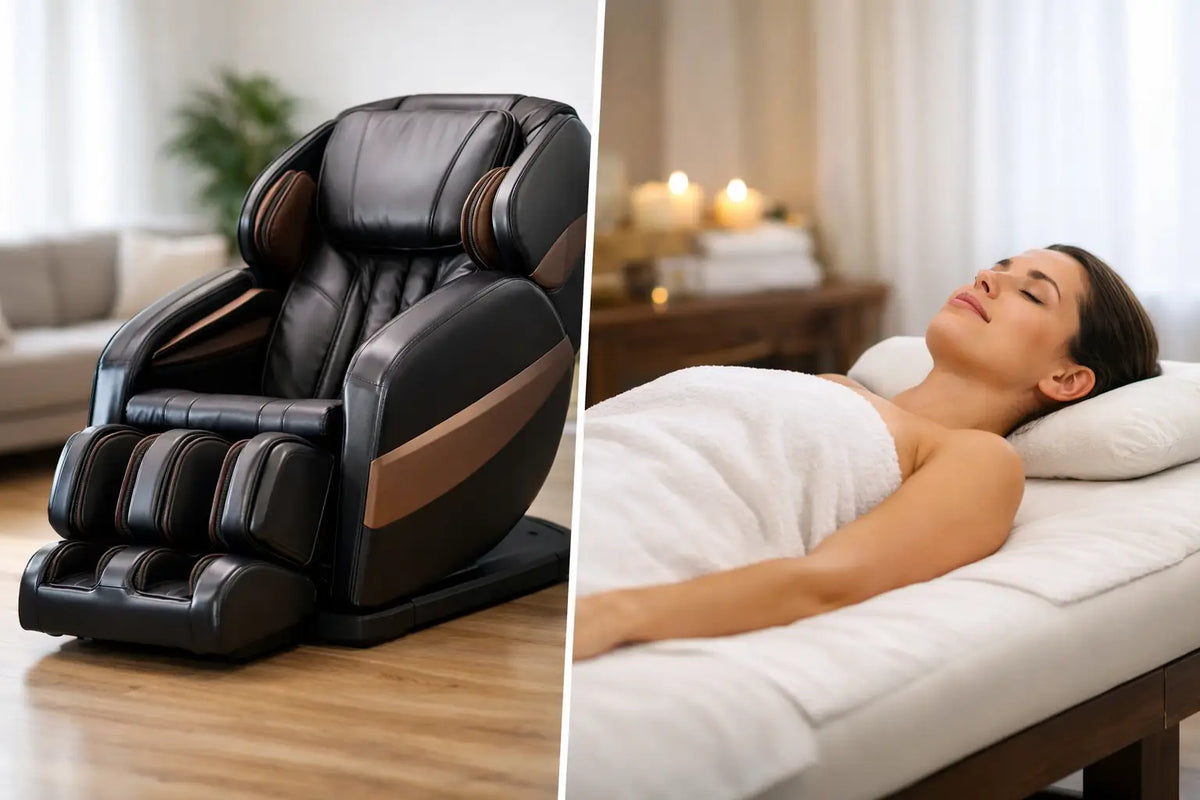
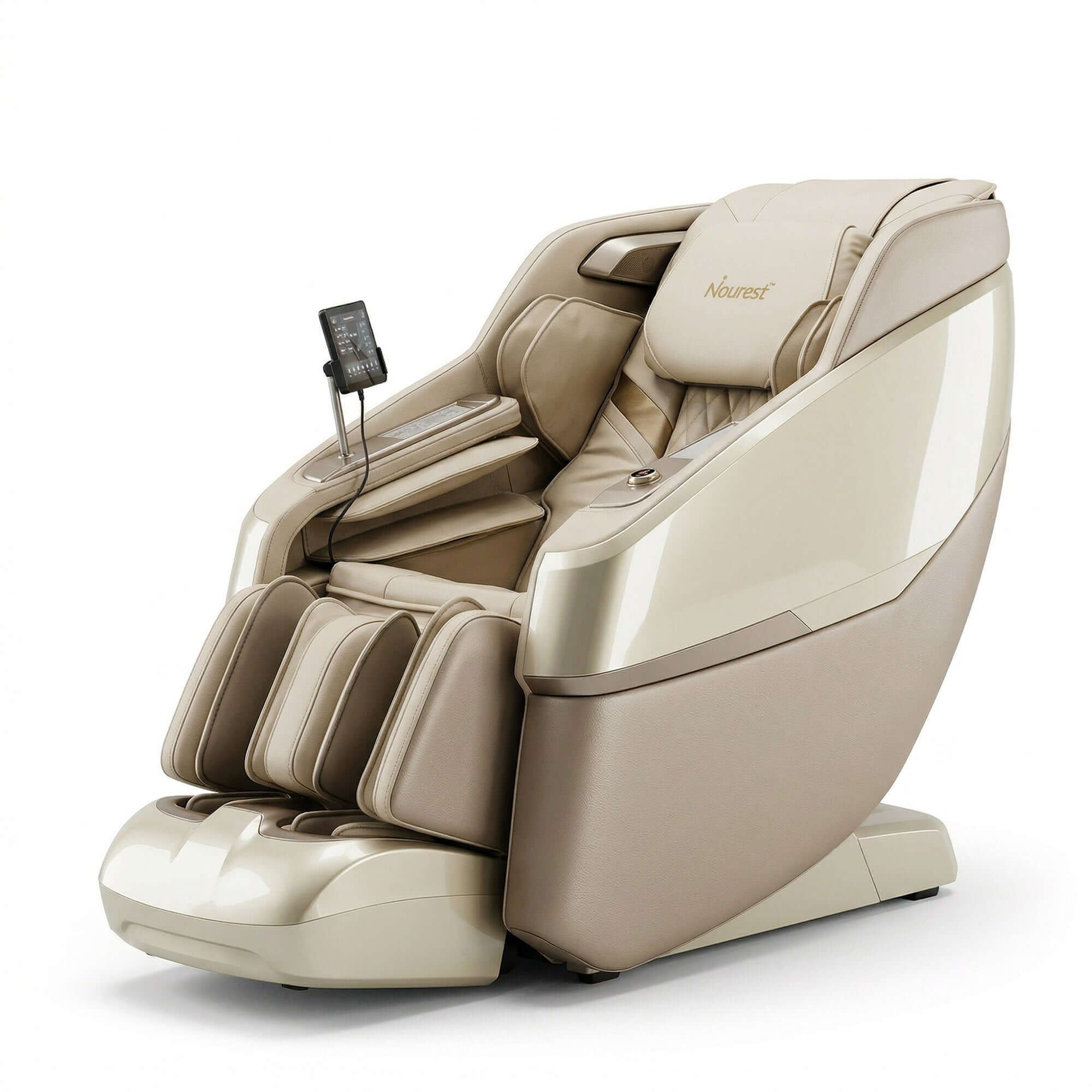
This is also where premium wellness products make a difference. A thoughtfully designed massage chair or massage bed does more than provide relief. It establishes the entire tone of the space. Instead of adding visual clutter, the right piece can make the corner feel intentional, architectural, and effortlessly luxurious.
How to style wellness corner layouts that feel calm
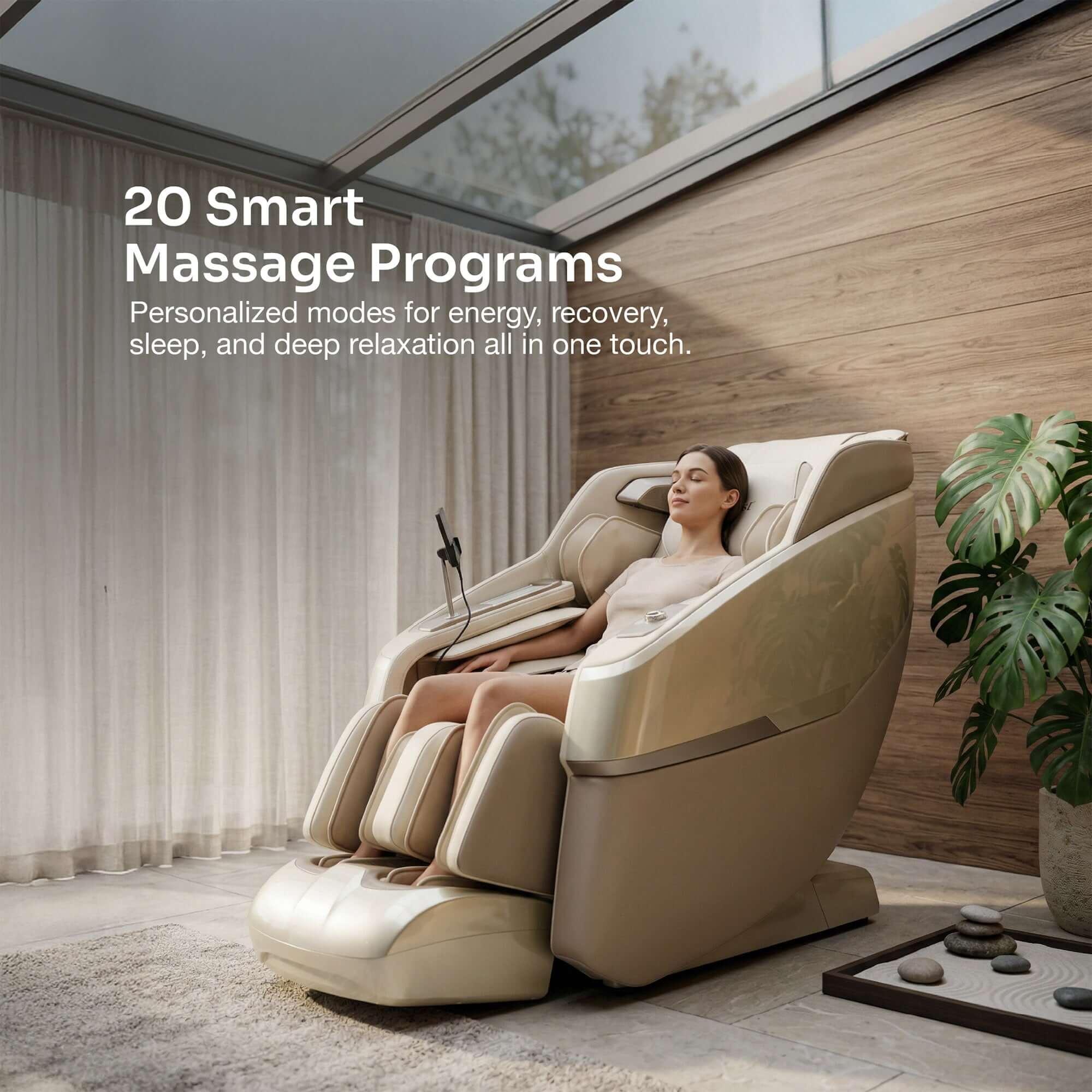
The location matters as much as the product selection. A wellness corner works best when it is protected from foot traffic and visual noise. You do not need a spare room, but you do need separation. A quiet bedroom corner, a wide landing, a private office nook, or an underused section of the living room can all work well.
Natural light helps, but direct harsh sunlight can make the area feel exposed rather than restful. Soft daylight from the side is often ideal. If natural light is limited, use warm ambient lighting instead of bright overhead light. The goal is not darkness. It is softness.
Leave enough breathing room around the main piece. This is especially important if you are placing a massage chair with a deeper recline or a massage bed that needs clear access. A wellness corner instantly feels more premium when the product is given proper space. Crowding it with too many accessories makes the room feel smaller and the experience less restorative.
Choose one anchor piece and let it lead
Every strong wellness corner has a focal point. In some homes, that is a high-performance massage chair with refined upholstery and clean lines. In others, it may be a spine-therapy massage bed, a massage recliner, or a compact setup built around a foot massager and neck massager.
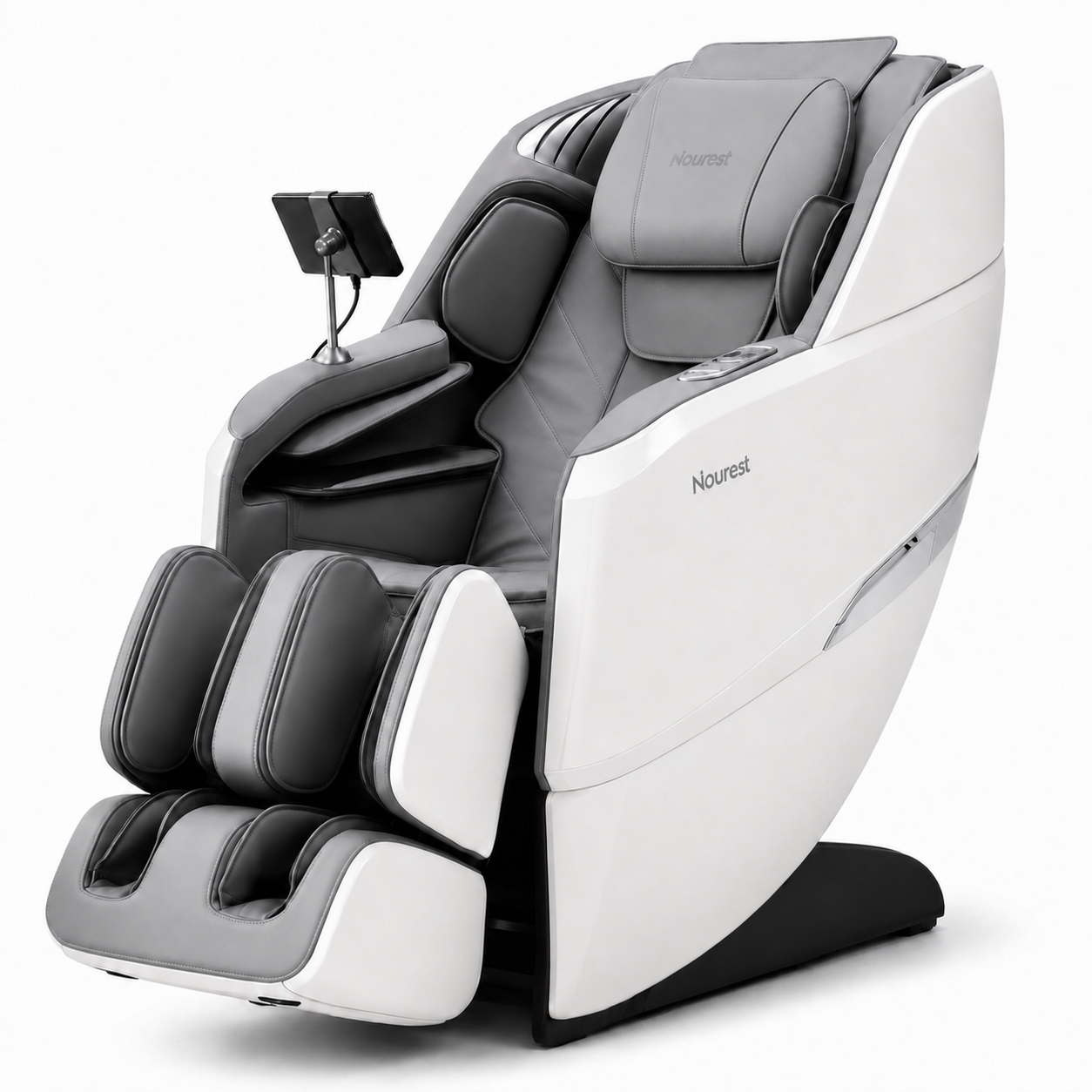
The key is restraint. One substantial anchor piece often creates a stronger result than several smaller ones competing for attention. If your main concern is full-body relief, a massage chair is usually the most complete option because it addresses multiple pain points in one footprint. Advanced features such as body scanning, SL-track systems, and 4D massage mechanisms add another layer of value because they turn the corner into a true recovery zone rather than a decorative seating area.
If space is limited, it depends on how you plan to use the area. A foot massager paired with a refined lounge chair may suit a bedroom or office better than a larger chair. A massage cushion can work in a more flexible setting. But if your goal is daily relief with a luxury finish, a dedicated massage chair often delivers the cleanest and most impressive result.
Keep the palette soft and architectural
If you want the space to feel expensive, avoid overly busy patterns and sharp contrast. A wellness corner benefits from a palette that slows the eye down. Think warm neutrals, soft taupe, ivory, sand, muted charcoal, or deep earthy tones depending on the surrounding room.
Material choice matters just as much as color. Upholstery with a smooth, tailored finish looks more refined than anything overly casual. Wood accents, brushed metal, stone, and textured fabric all add quiet richness without demanding attention. This is one of the easiest ways to make wellness feel integrated into the home instead of separate from it.
There is room for personal taste, of course. Some homeowners prefer a lighter spa-inspired aesthetic, while others want something moodier and more contemporary. Neither is wrong. What matters is consistency. When the tones, finishes, and shapes speak the same design language, the corner feels composed.
Add comfort in layers, but edit carefully
Once the anchor piece is in place, style around it with a light hand. A small side table for water or tea, a sculptural lamp, a folded throw, and one or two tactile accessories are often enough. The space should support a ritual, not become a storage zone.
This is where people often over-style. Too many candles, baskets, books, or wellness gadgets can make the area feel busy. A wellness corner should lower stimulation, not add to it. If you are introducing scent, keep it subtle. If you are using textiles, choose fabrics that feel luxurious and easy to maintain.
A rug can help define the area, especially in an open-plan room. Choose one with enough softness to warm the space visually, but not so thick that it interferes with the function of larger equipment. Scale matters here. A rug that is too small can make even a premium setup feel temporary.
Make technology feel discreet, not clinical
One of the biggest design concerns with home recovery equipment is whether it will look too technical. That concern is fair. Some pieces offer excellent function but visually dominate the room in the wrong way.
The solution is to choose wellness products that already have a strong design language, then support them with styling that feels residential rather than clinical. Hidden cable management, clean wall space, and thoughtful lighting go a long way. If your massage chair includes features like voice control, AI body scanning, or advanced roller systems, those technologies should enhance the experience without becoming the aesthetic focus.
This is where premium craftsmanship earns its place. When wellness equipment is beautifully designed, it blends into a sophisticated home more naturally and feels less like a compromise.
How to style wellness corner spaces for daily use
The most beautiful wellness corner is the one you actually use. That means convenience matters. If setting up the space feels fussy, it will quickly become decorative instead of restorative.
Keep a small tray nearby for simple essentials. Store only what supports the ritual - perhaps a remote, a light blanket, or a neck pillow. If the corner is meant for evening recovery, make sure the lighting is easy to adjust. If it is part of a work-from-home routine, place it close enough to your office to encourage short recovery breaks without disconnecting from your day.
It also helps to think about transitions. A corner that feels inviting at 7 a.m. may need a different mood at 9 p.m. Dimmable lighting, soft textures, and a sense of visual order make the space more adaptable across the day.
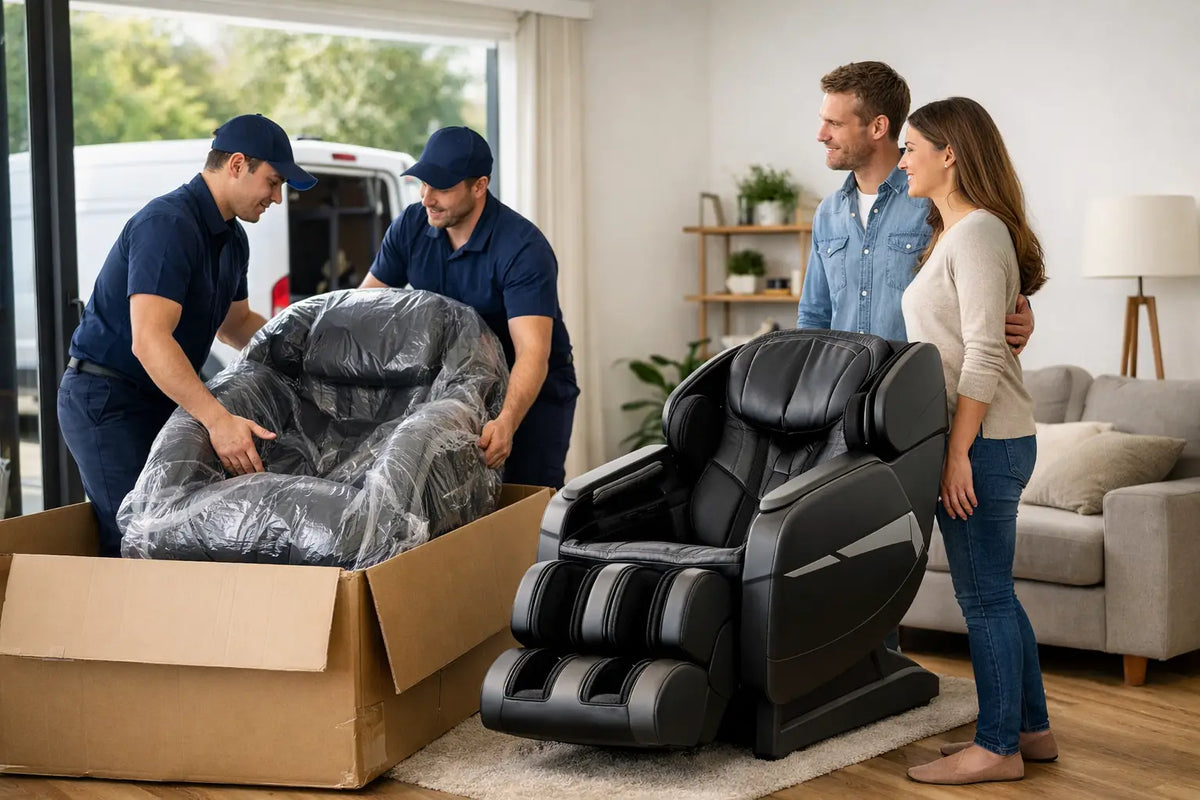
For households investing in a larger massage chair or massage bed, white-glove support can matter as much as the design itself. Delivery, installation, and setup reduce friction and make it easier to create a polished final look from the start. That practical reassurance is part of the luxury.
Let the space reflect care, not excess
A wellness corner is not valuable because it looks expensive. It is valuable because it supports how you want to feel in your home - less tense, more restored, and better cared for. The styling should communicate that quietly.
That is why the strongest spaces do not chase every trend. They rely on proportion, comfort, quality, and products that solve real physical stress. A well-chosen massage chair, foot massager, or therapeutic recovery piece can shift the room from attractive to genuinely useful, especially for people managing long workdays, muscle fatigue, posture strain, or the simple accumulation of daily stress.
If you approach the space with clarity, editing, and a preference for pieces that perform as beautifully as they look, your wellness corner will feel less like a luxury add-on and more like one of the smartest places in the home to invest in yourself.