

Is a Massage Chair Worth It? Honest Answer
- by Admin

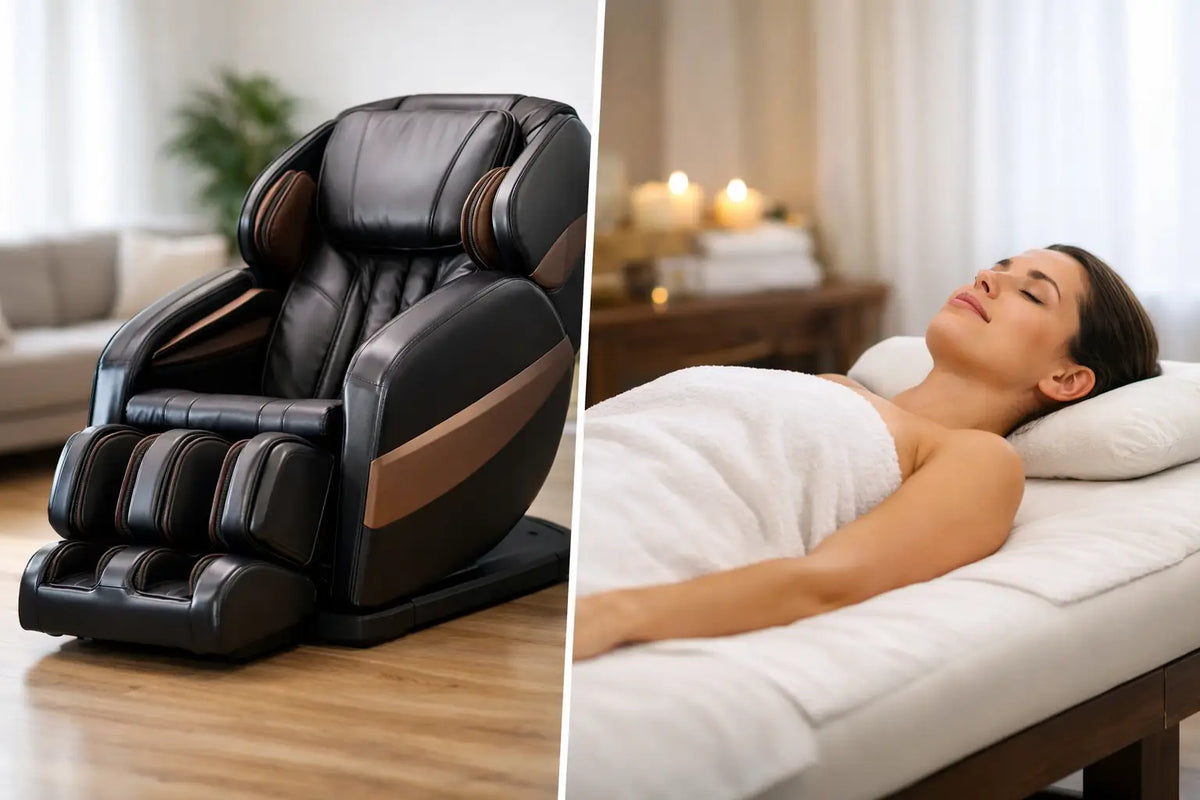
You feel it at the end of the day before you even sit down - the tight lower back, the heavy shoulders, the neck that never quite relaxes. That is usually when people start asking, is a massage chair worth it, or is it just a beautiful piece of furniture with a high price tag. The honest answer is that it can be absolutely worth it, but only if you are buying it for the right reasons, with the right expectations.
A premium massage chair is not a magic fix for every pain issue, and it is not the same as hands-on care from a skilled therapist. What it does offer, when chosen well, is something many busy households value even more - reliable, daily access to relief without appointments, travel time, or recurring session fees. For the right buyer, that convenience changes the equation.
Is a massage chair worth it for everyday use?
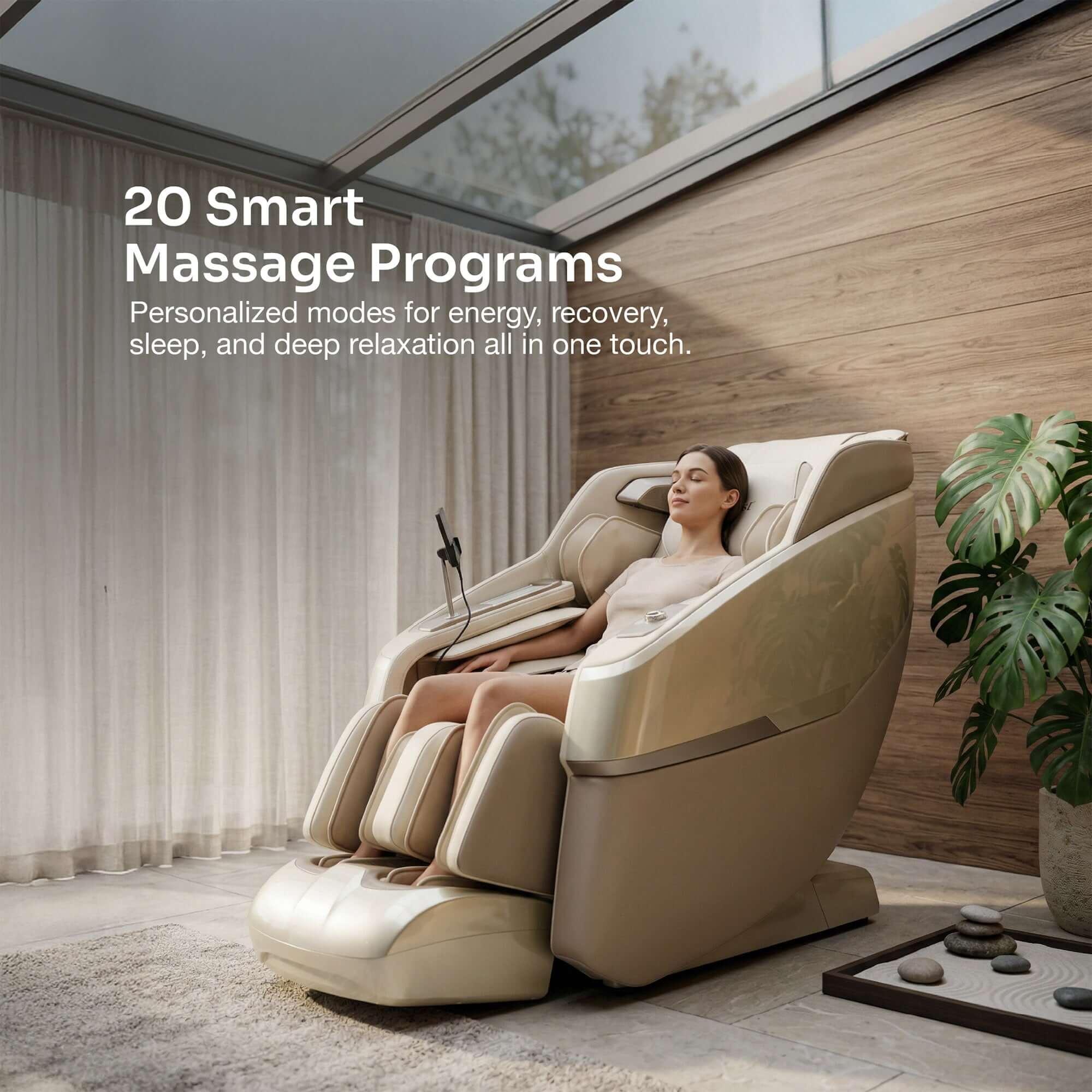
If you deal with daily muscle tension, stress, posture fatigue, leg heaviness, or long hours at a desk, the answer often leans yes. A massage chair is most valuable when it becomes part of your routine rather than an occasional novelty. Ten to twenty minutes in the morning, after work, or before bed can make a noticeable difference in how your body feels over time.
That is where many people misjudge the purchase. They compare the cost of a chair to one massage session and immediately think it is expensive. A better comparison is to months or years of repeated appointments, plus the effort of scheduling and commuting. If you are someone who already pays regularly for massage, recovery, or pain-relief services, a quality chair starts to look less like a splurge and more like an at-home wellness investment.
There is also the lifestyle factor. For busy professionals, parents, and anyone who prefers privacy, convenience matters. Relief available in your living room often gets used more consistently than services you have to plan around.
When a massage chair is worth the money
A massage chair tends to be worth the money when your discomfort is frequent, your schedule is full, and your home supports daily use. It also helps if more than one person in the household will use it. A chair that serves one person occasionally is harder to justify. A chair that supports two adults and maybe even older family members becomes much easier to value.
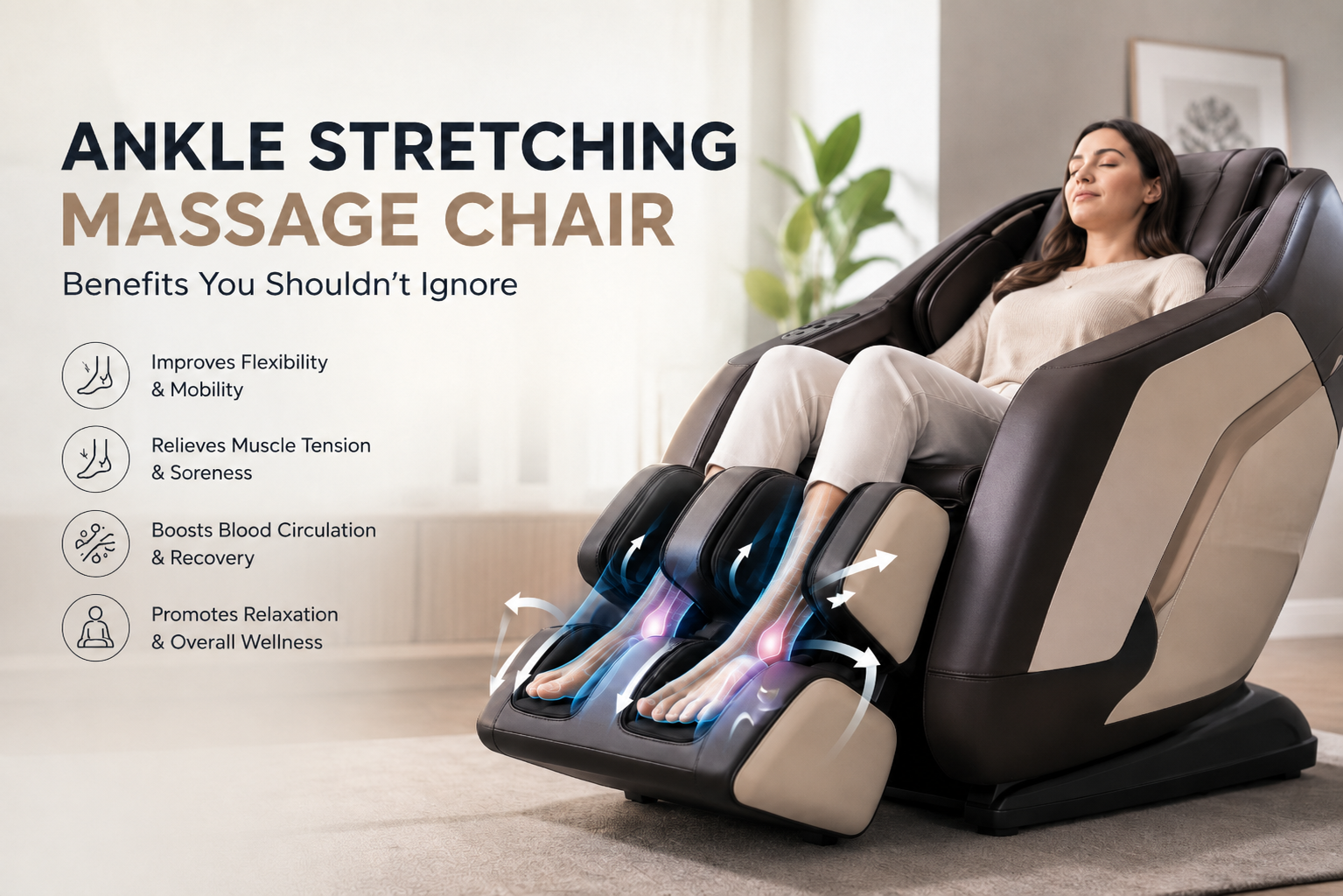
It is especially appealing for people who experience recurring non-emergency issues like stiffness from desk work, post-workout soreness, tired feet, tension headaches related to neck tightness, or general physical fatigue. In these cases, consistent compression, rolling, stretching, and heat can feel powerfully relaxing and practically useful at the same time.
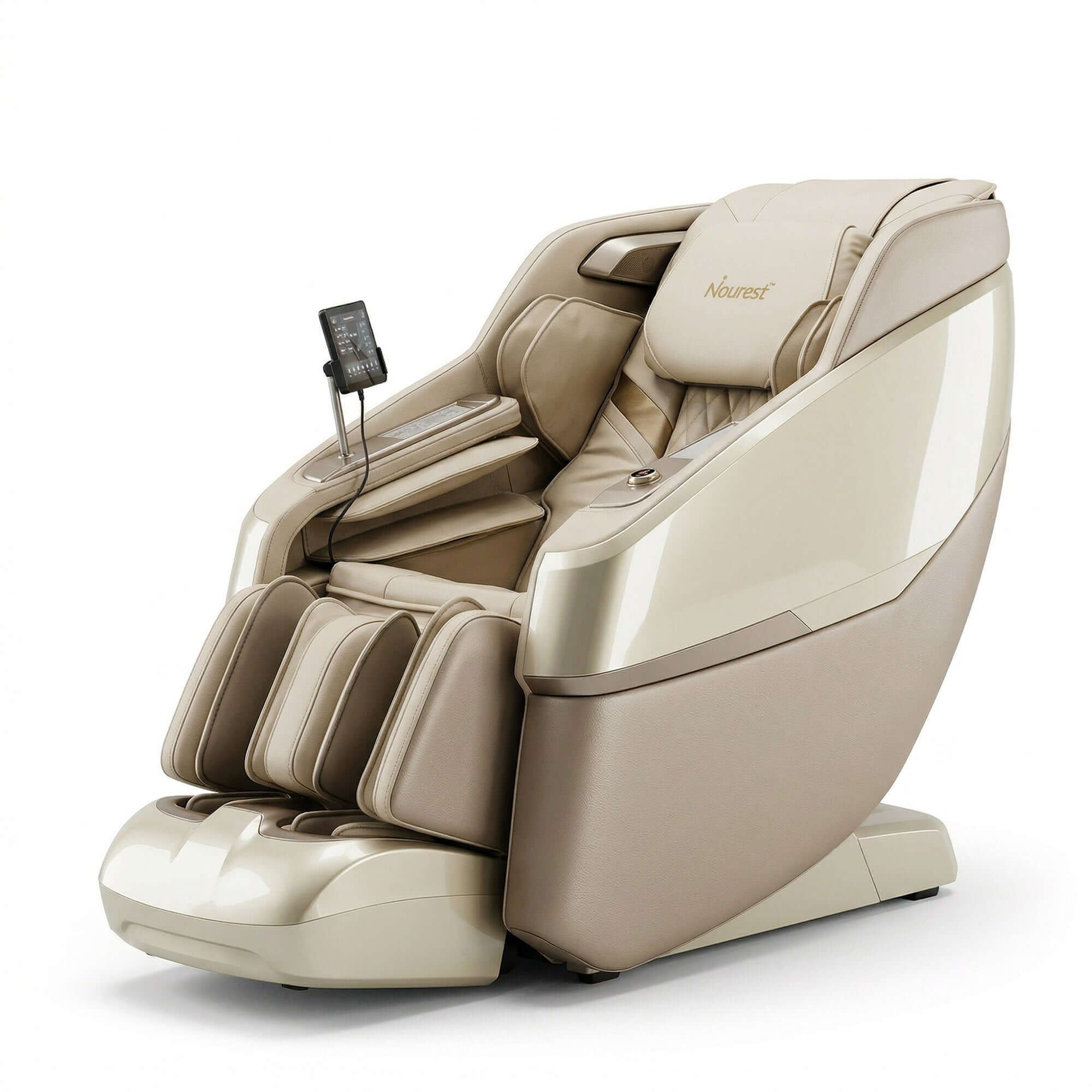
High-end models also offer a more refined experience than many shoppers expect. Features such as body scanning, SL-track roller systems, zero gravity positioning, foot and calf massage, and 4D intensity control create a session that feels far more personalized than basic vibrating recliners. If your goal is meaningful daily comfort, those details matter.
When it may not be worth it
A massage chair is not automatically a smart buy just because it looks impressive. If you rarely use massage services now, dislike mechanical massage pressure, or live in a space where the chair will become an afterthought, it may not earn its place.
It may also be the wrong tool if you are expecting it to diagnose or treat a medical condition. Massage chairs can support comfort, circulation, and recovery, but they do not replace medical advice, physical therapy, or clinical care for serious pain issues. If your pain is sharp, worsening, or linked to an injury, a chair should be part of a broader plan, not the plan itself.
Budget matters too. A low-cost chair with limited adjustability and weak massage coverage can leave buyers disappointed. This is one category where quality strongly affects satisfaction. If you are shopping at the very bottom of the market, the better question may not be whether a massage chair is worth it, but whether that specific chair is worth bringing into your home.
What you are really paying for
The sticker price reflects more than massage mechanics. In a premium chair, you are paying for engineering, comfort, durability, quieter operation, better upholstery, smarter programming, and a design that does not dominate the room in a bad way.
That last point matters more than people admit. A massage chair is a large home object. If it looks bulky, dated, or overly clinical, it can feel like a compromise. If it blends into a well-designed living space and still delivers daily relief, it feels effortlessly luxurious instead of intrusive.
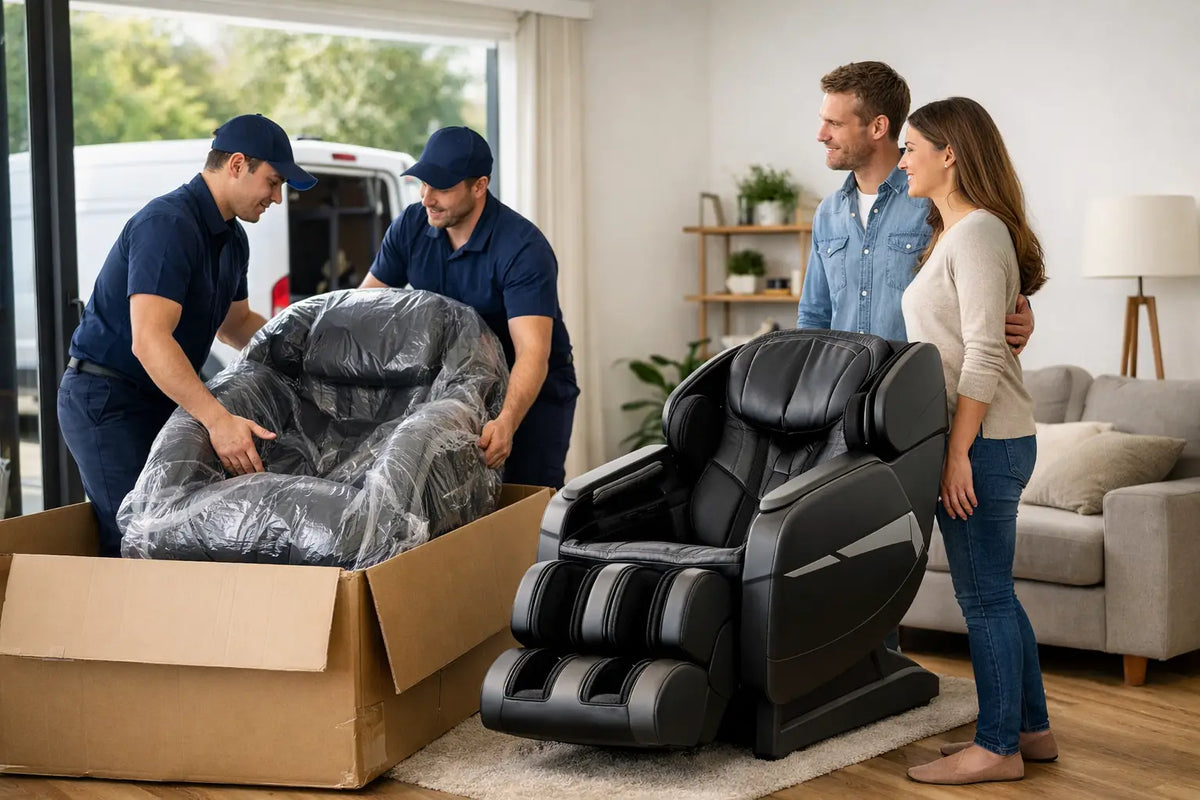
You are also paying for ownership experience. Delivery, installation, trial access, financing options, and warranty coverage change the real value of the purchase. A premium wellness product should come with service that feels equally reassuring. That is part of what makes a large purchase feel lower risk.
Features that make a real difference
Not every impressive-sounding feature matters equally. Some are genuinely useful, while others are mostly there for marketing. The essentials are the features that affect fit, comfort, and consistency.
Body scanning matters because no two users have the same height, shoulder position, or spinal shape. A chair that adjusts to the user will almost always feel better than one that applies the same pattern to everyone. An SL-track is also valuable because it allows the rollers to follow more of the spine and continue through the glutes, where many people carry tension.
Zero gravity positioning is another feature that earns its reputation. By shifting body weight and reducing spinal compression, it helps the massage feel deeper and more comfortable. Heat therapy, especially around the lower back, can also make sessions more soothing and effective.
Then there is 4D massage. For shoppers considering a premium model, this is often where the experience becomes more human-like. The ability to vary speed and depth creates a massage that feels less repetitive and better suited to changing tension points. If you are sensitive to pressure, adjustable intensity is not a luxury. It is essential.
Is a massage chair worth it compared to regular massages?
That depends on what you value more - customization by a human therapist or convenience on demand. A therapist can adapt in real time, focus on highly specific problem areas, and use professional judgment. A chair cannot fully replicate that.
But a massage chair can offer something a therapist cannot: immediate availability every single day. That consistency is where a chair often wins. If your body responds well to frequent shorter sessions, a chair may deliver more practical benefit over a month than one occasional appointment.
Many buyers find the ideal answer is not either-or. They use a massage chair for regular maintenance and reserve professional sessions for occasional deeper work. That approach tends to suit people who take recovery seriously without wanting every sore shoulder to require a booking.
Who gets the most value from one?
The people who get the most value are usually the ones with predictable physical stress. Executives working long hours, homeowners building a more wellness-centered routine, active adults managing soreness, and older users seeking daily comfort often see the strongest return on use.
It is also a smart fit for households that appreciate premium home upgrades with a purpose. Unlike decorative luxury, this is luxury that gets used. It supports rest, recovery, and the small daily reset that many people do not realize they need until they have it.
For this reason, the best massage chairs tend to appeal to buyers who think long term. They are not chasing a novelty purchase. They are creating a home environment that supports energy, comfort, and recovery in a way that feels natural.
How to tell if you should buy one now
Ask yourself a few honest questions. Do you already spend money trying to manage tension, soreness, or stress? Do you expect to use the chair at least several times a week? Will it be used by more than one person? Do you care about aesthetics as much as performance? And are you choosing a chair with the service support to match the investment?
If the answer to most of those is yes, a massage chair can be worth it in a very real way. Not because it is cheap, but because it becomes part of how you live. That is a different standard.
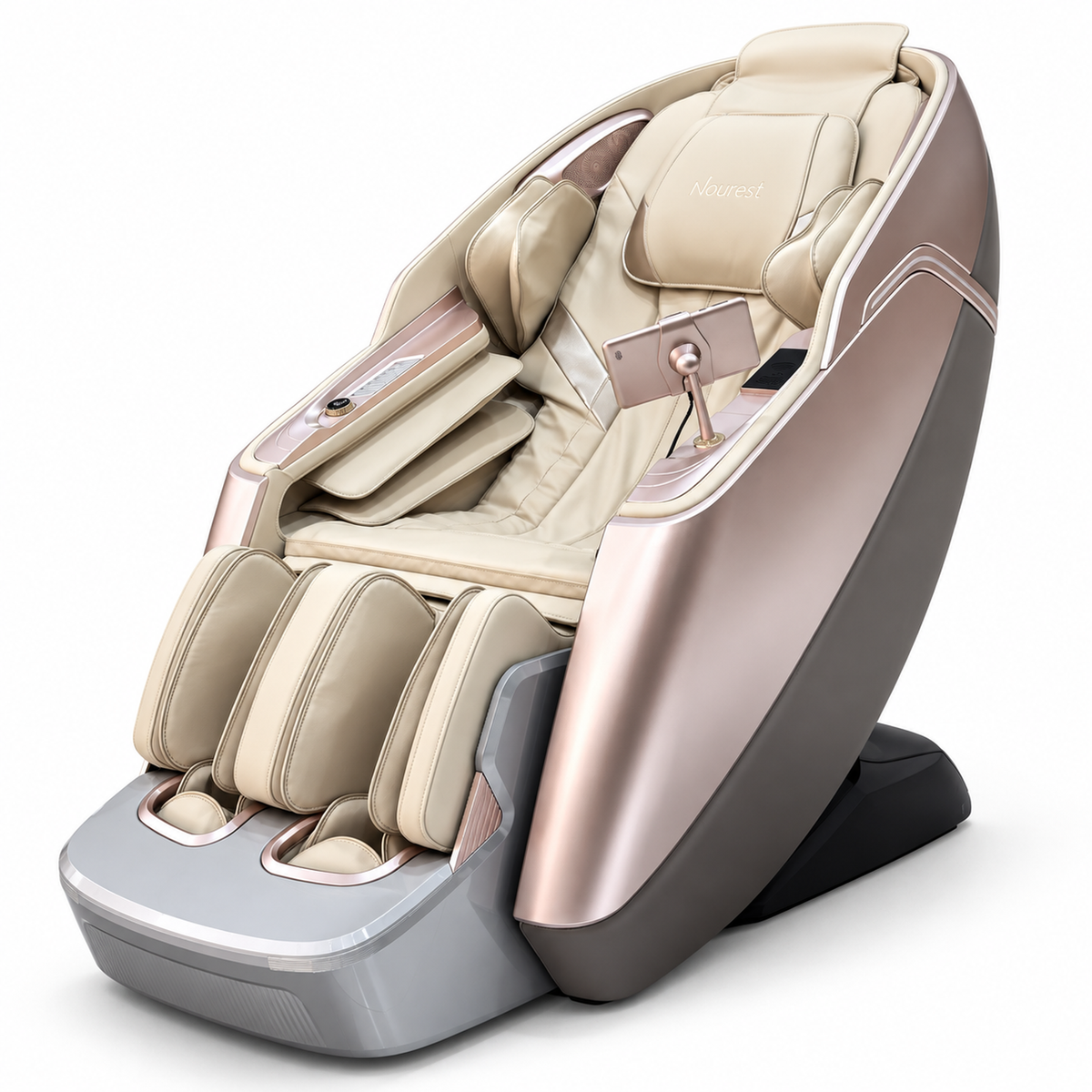
For buyers considering a premium purchase, it helps to experience one properly before deciding. A home trial, professional installation, and strong warranty can remove much of the uncertainty and make the decision feel grounded rather than impulsive. That is especially true with advanced models from brands like Nourest, where the promise is not just massage, but comfort, recovery, and design working together.
A massage chair is worth it when it stops being a product you admire and becomes a ritual you rely on - the kind of comfort that quietly improves ordinary days.