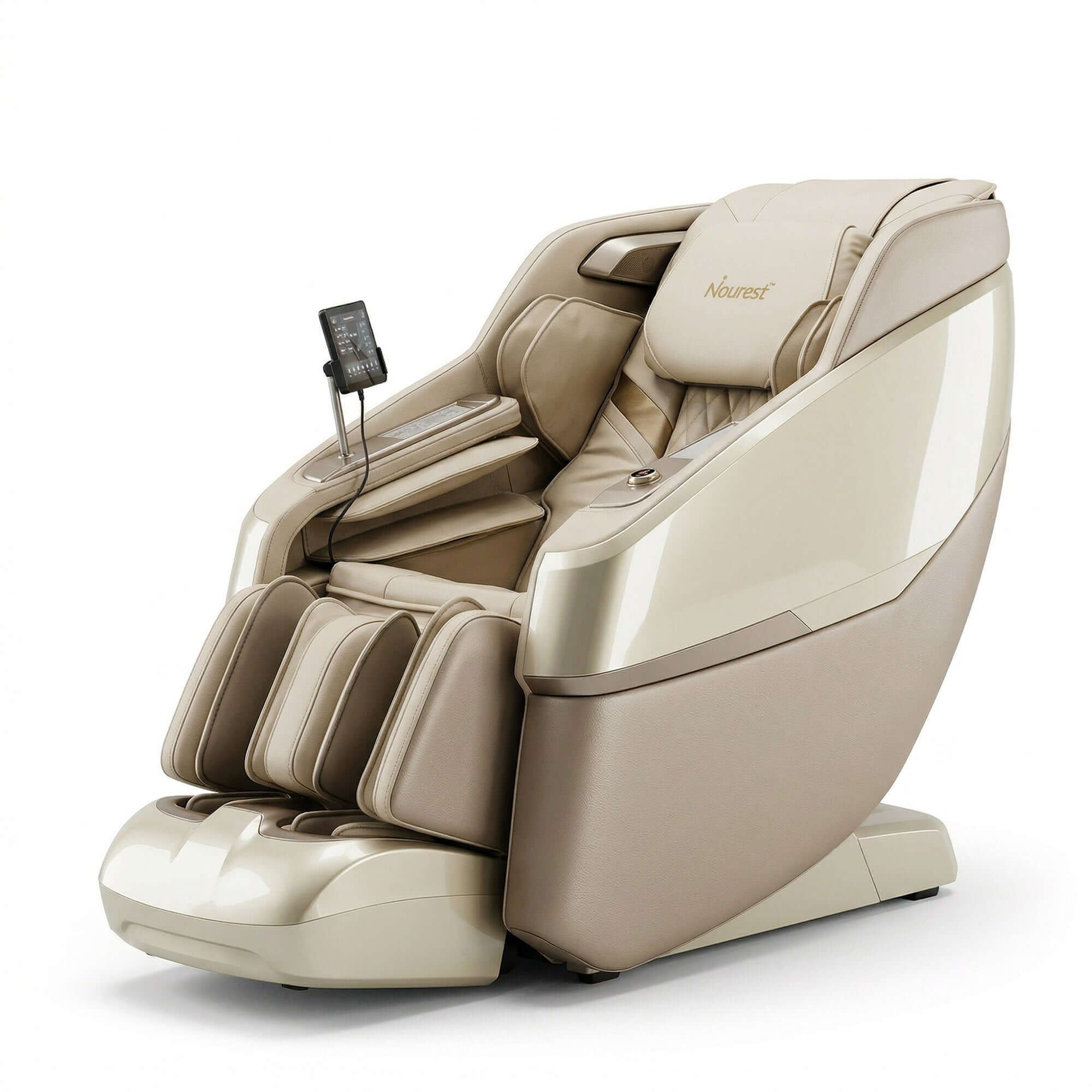



How to Use Massage Chair Daily Safely
- by Admin

You do not need an hour at a spa to feel better in your body. If your shoulders tighten by noon, your lower back complains after long meetings, or your legs feel heavy at the end of the day, learning how to use massage chair daily can turn relief into a routine instead of an occasional fix. The difference is not simply owning a premium chair. It is using it with the right frequency, timing, and intensity so your body feels restored rather than overstimulated.
A massage chair works best when it becomes part of your day in the same way people rely on a morning stretch, an evening walk, or a better mattress. Daily use can support circulation, reduce muscle tension, ease mental fatigue, and help your body recover from desk work, commuting, training, or poor posture. But more is not always better. The best results usually come from consistency, not from long, overly intense sessions.
How to use massage chair daily without overdoing it
For most adults, one to two sessions per day is a comfortable starting point. A session of 15 to 20 minutes is usually enough to relax tight muscles and reduce built-up tension without leaving the body feeling sore. If you are new to massage chairs, start closer to 10 or 15 minutes on a gentle program for the first several days.
This matters because your muscles and nervous system need time to adapt, especially if your chair includes deep kneading, strong air compression, stretch functions, or 4D roller intensity. A premium massage chair can feel impressively close to hands-on therapy, which is exactly why restraint helps at first. If you finish a session feeling refreshed, lighter, and more mobile, you are probably in the right range. If you feel tender or drained, the setting was likely too strong or the session too long.
Daily use should feel powerfully relaxing, not punishing. Think in terms of maintenance rather than correction. A short morning session may loosen the back and hips before work, while an evening session can help settle tension that built up throughout the day.
The best times of day to use a massage chair
There is no single perfect hour, but there are patterns that tend to work well.
Morning sessions are ideal if you wake up stiff, especially through the neck, lower back, and hamstrings. A gentle full-body program can help your posture feel more open before you sit at a desk or get in the car. This is also when lighter stretching modes are often more comfortable than aggressive deep tissue settings.
Midday sessions suit people with long workdays, home office routines, or physically demanding schedules. Even 15 minutes can interrupt the cycle of sitting, screen fatigue, and shoulder tension. If concentration drops in the afternoon, a massage session may help you reset without the heaviness that sometimes follows a nap.
Evening is the most popular time for daily use, and for good reason. The body is carrying the weight of the day by then. A reclined massage with heat, air compression, and a measured rolling program can make your home feel more restorative and noticeably more luxurious. If sleep is your goal, avoid the most vigorous settings right before bed. Gentle recovery modes tend to be more calming.
Choosing the right setting for your body
One reason people get less from a massage chair than they should is simple: they use the same program every time. Your body is not the same every day, so your settings should not be either.
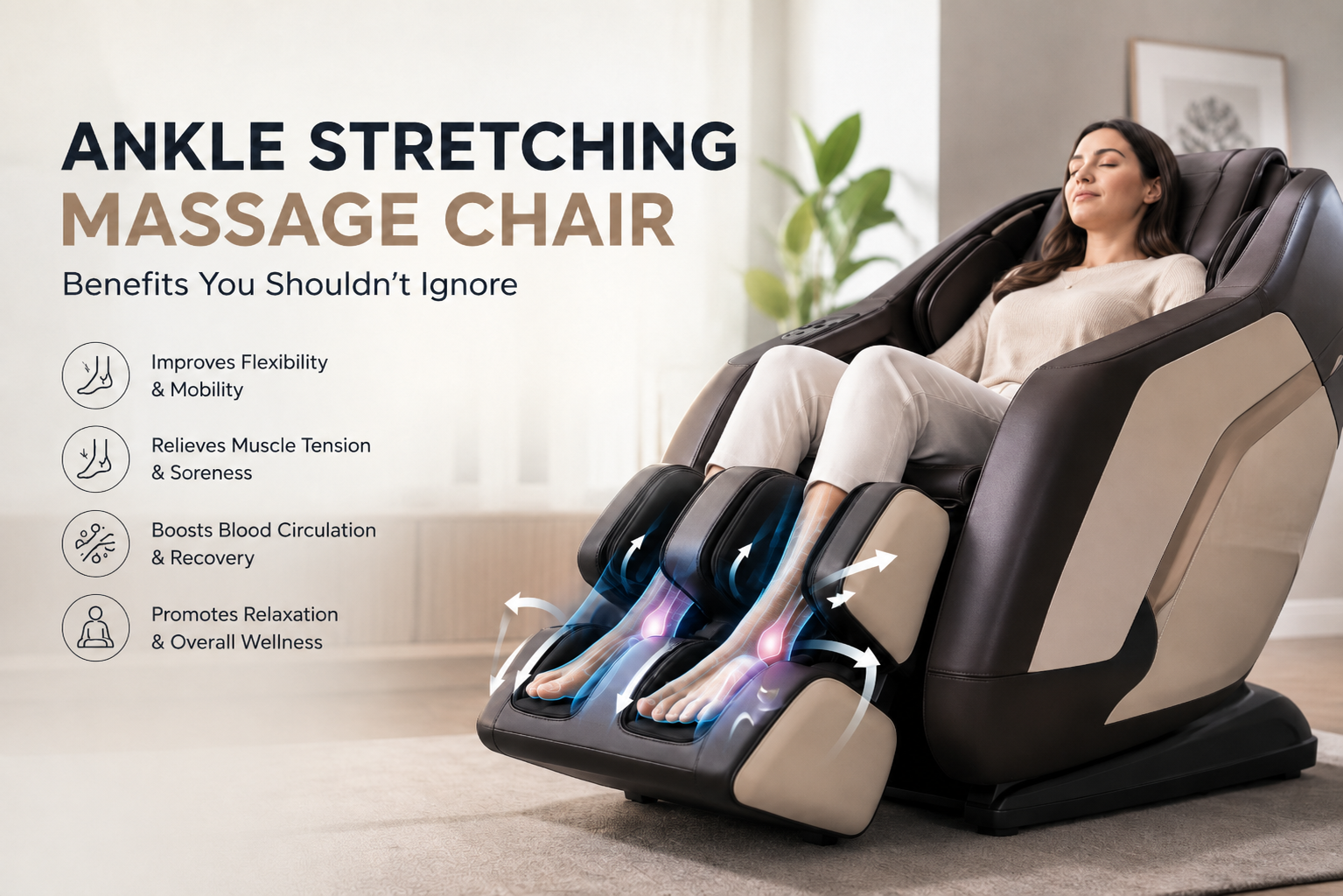
If you spend hours working at a laptop, focus on neck, shoulders, and upper back. Look for kneading and rolling programs that target the thoracic area without excessive force on the lower spine. If your discomfort comes from standing, walking, or training, calf and foot compression may matter just as much as back massage.
On high-stress days, choose gentler, more rhythmic programs. When the nervous system is overloaded, strong pressure can feel irritating instead of helpful. On days when you feel physically tight rather than mentally exhausted, a deeper tissue setting may be more effective.
Features such as body scanning and adjustable roller depth make daily use much more precise. They help the chair meet your frame properly and apply pressure where it belongs. That is especially valuable in a household where more than one person uses the chair. A better fit usually means a better massage and a lower risk of soreness from poor positioning.
Use intensity with intention
Start with low to medium intensity unless you already know your tolerance. Deep settings are tempting, especially in advanced chairs, but daily relief comes from measured use. A setting that feels impressive for two minutes may become too much by minute twelve.
A practical rule is this: you should be able to stand up after the session feeling looser, not tender. If you are chasing pain with maximum pressure every day, your body may respond with more sensitivity, not less.
What a smart daily routine looks like
The most effective daily routine is one you will actually keep. That usually means attaching the chair to moments already built into your schedule.
A simple pattern works well for many people: a 15-minute session in the morning three to five days a week, then an evening session on heavier days when your back, shoulders, or legs need more attention. If you are using the chair every day, alternating intensity can help. Choose a lighter recovery program one day and a more focused therapeutic setting the next.
Hydration also matters more than most people expect. Massage stimulates circulation and can leave you feeling warm and relaxed, so a glass of water afterward is a good habit. Wearing light, comfortable clothing can make sessions more pleasant as well, especially if your chair uses heat or full-body compression.
If you exercise, timing depends on your goal. Before a workout, keep the massage lighter and shorter so the body feels mobile rather than sleepy. After training, recovery settings, calf massage, and lower-body compression often feel better. If you have a history of injury, recent surgery, or a medical condition affecting circulation or the spine, it is wise to get guidance from a healthcare professional before making daily massage a habit.
When daily use may need adjustment
Most healthy adults can use a massage chair daily, but there are times when less is better.
If you notice bruising, lingering tenderness, headaches after sessions, or increased irritation in one area, reduce the duration or intensity. If you are pregnant, have severe osteoporosis, a pacemaker, blood clot concerns, uncontrolled high blood pressure, or acute inflammation, you should speak with a medical professional before use. Daily convenience should never come at the expense of safety.
You should also adjust your routine when your body is already under strain. A chair can be excellent for chronic stiffness and everyday fatigue, but intense massage on a fresh injury or highly inflamed muscle may aggravate the problem. In those cases, gentler programs or rest may be the better choice.
How to know if your routine is working
A good daily massage chair routine produces small but meaningful changes. You may notice your shoulders sit lower, your neck rotates more freely, your legs feel less heavy at night, or you reach the end of the workday with less accumulated tension. Sleep may improve. Sitting may feel easier. Recovery after travel or long meetings may feel faster.
These are the real signs of success. Not dramatic exhaustion after a strong session, but steady comfort that carries into the rest of your day.
Why quality matters if you plan to use a massage chair daily
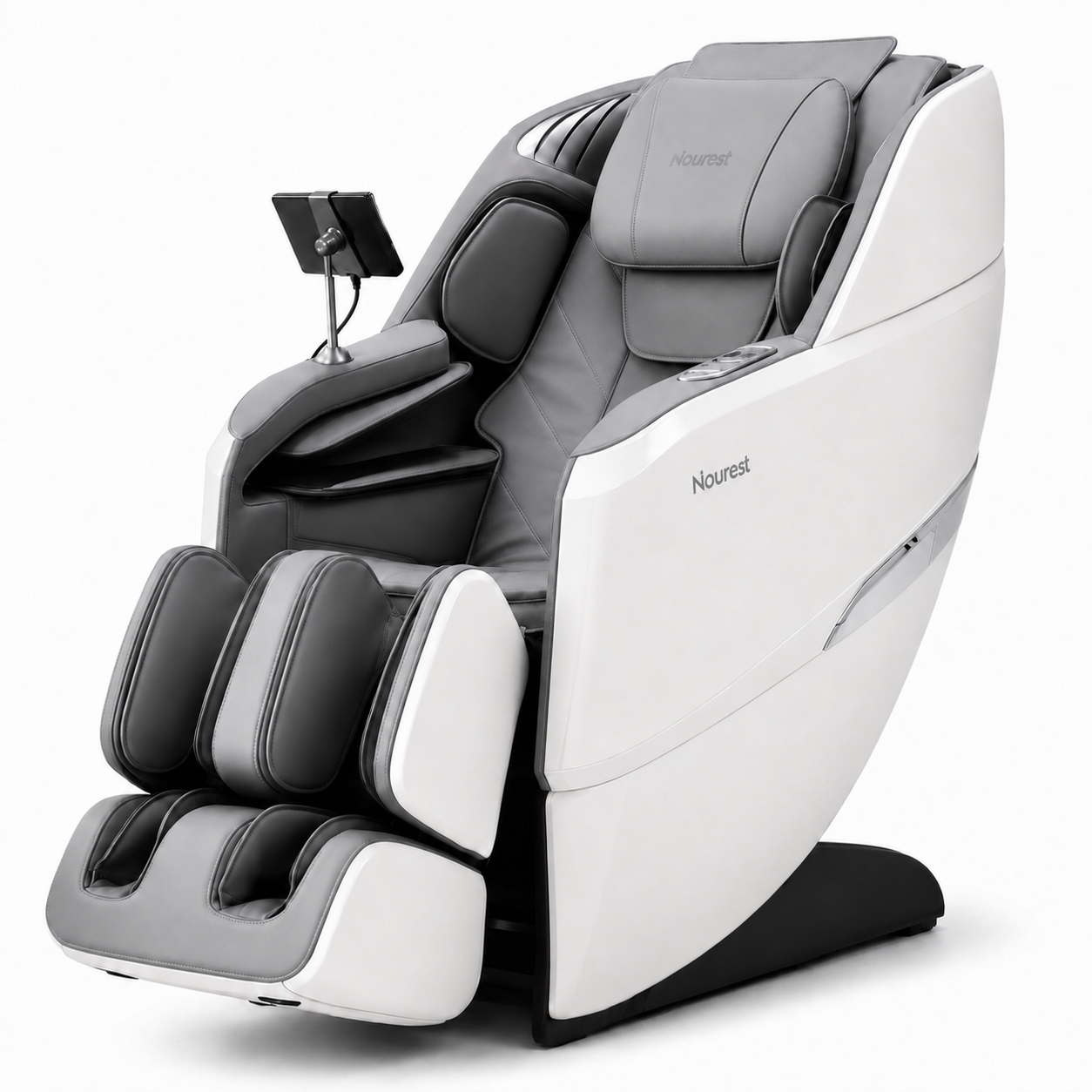
If daily use is the goal, chair quality matters a great deal. Entry-level chairs can feel pleasant, but regular use highlights the difference between basic vibration and true full-body recovery. Better chairs tend to offer more accurate body scanning, smoother roller movement, more refined SL-track coverage, stronger but more controlled air compression, and settings that feel therapeutic rather than mechanical.
Design matters too. A chair you plan to use every day should look at home in a well-furnished space, not like a compromise. The experience should feel effortlessly luxurious from the first recline to the moment the session ends. That is why many buyers shopping at the premium end are not just choosing a device. They are choosing a daily wellness ritual that suits their home, schedule, and expectations.
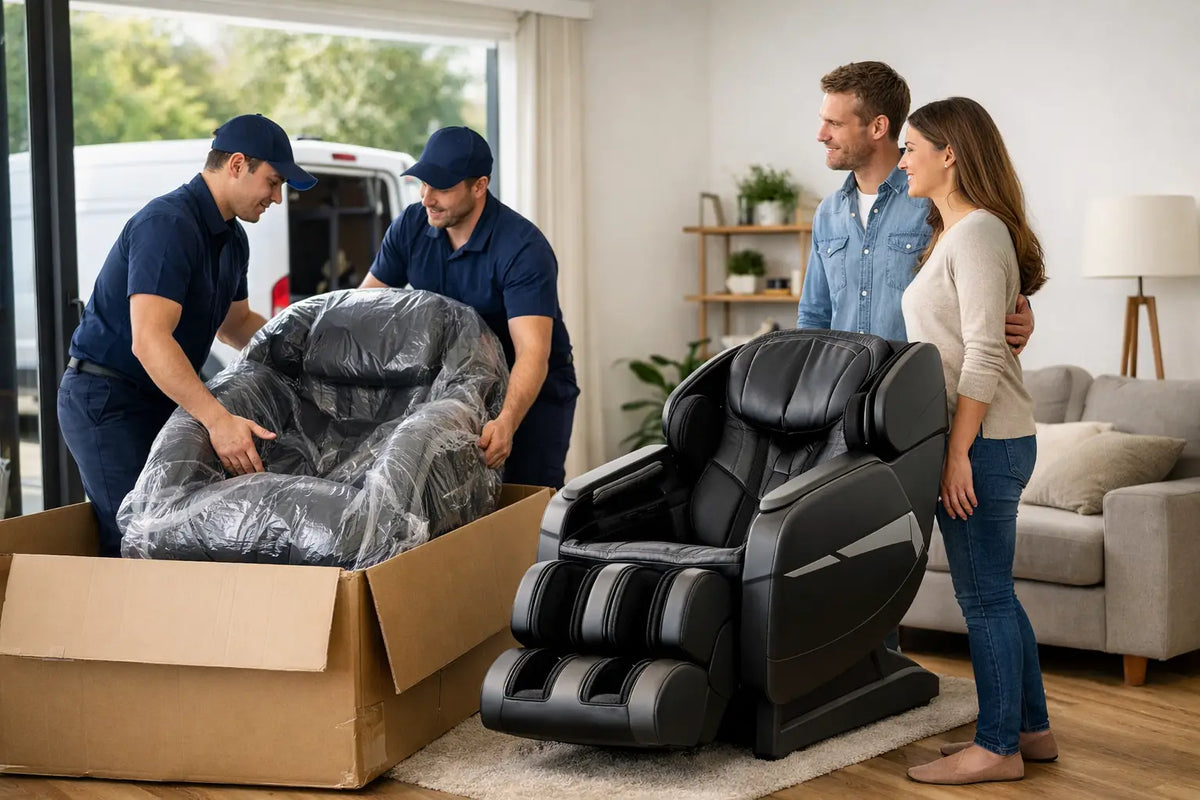
This is also where service becomes part of the value. If you are investing in a massage chair for everyday use, details like professional installation, in-home trial options, and long warranty coverage offer real peace of mind. A premium wellness purchase should feel reassuring from day one, not uncertain after delivery.
For many households, that is the shift that makes the chair worthwhile. It stops being an occasional luxury and becomes part of how the home supports recovery, posture, and comfort every single day.
Use your massage chair often enough that your body begins to expect relief, but gently enough that it always welcomes the next session.